Introduction
Modern fleet clients expect precision, transparency, and accountability. However, many workshops still rely on outdated documentation methods. As a result, they lose high-value contracts without understanding why. More importantly, corporate fleets do not choose based solely on price. They choose based on trust and reliability. This is where a fleet service documentation system becomes critical.
Why Documentation Matters for Fleet Clients
Fleet managers handle dozens or even hundreds of vehicles. Therefore, they require clear service records, accurate billing, and audit-ready documentation. Without these, decision-making becomes risky. For instance, missing information can lead to disputes, delays, and even safety issues. More importantly, corporate clients expect their service partners to be accountable at every step. In addition, robust documentation helps streamline communication between the workshop and the client. As a result, both sides save time and avoid misunderstandings.
What Corporate Fleets Expect
Corporate clients expect standardized reports, real-time service updates, transparent pricing, and historical service logs. In addition, they want systems—not assumptions. Relying on verbal updates or handwritten notes will not satisfy a procurement manager who must justify every decision. Therefore, a fleet service documentation system must provide clear, digital records that are easy to access and verify. More importantly, it should enable instant retrieval of historical data for any vehicle in the fleet. As a result, workshops that meet these expectations will stand out.
Problems with Manual Documentation
Manual systems create serious issues. Paper records get lost, data becomes inconsistent, reports take time, and errors increase. As a result, trust breaks quickly. For example, a misplaced invoice can delay payments, while a missing service log can raise safety concerns. More importantly, manual processes slow down approvals and make it harder to resolve disputes. In addition, they increase the administrative burden on staff, leading to lower productivity. Therefore, workshops that cling to paper-based systems risk falling behind.
What a Fleet Documentation System Does
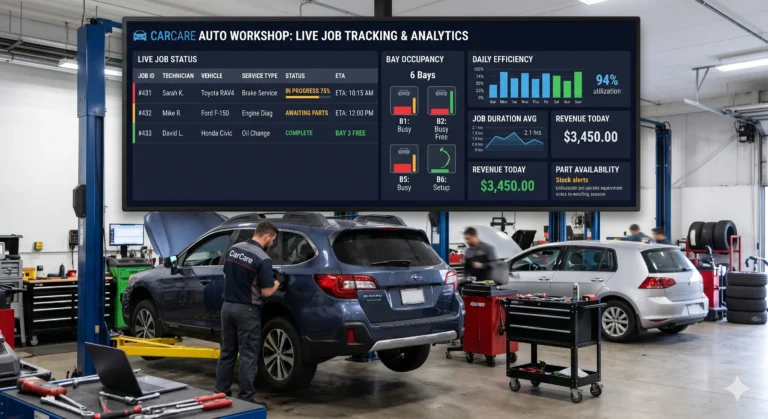
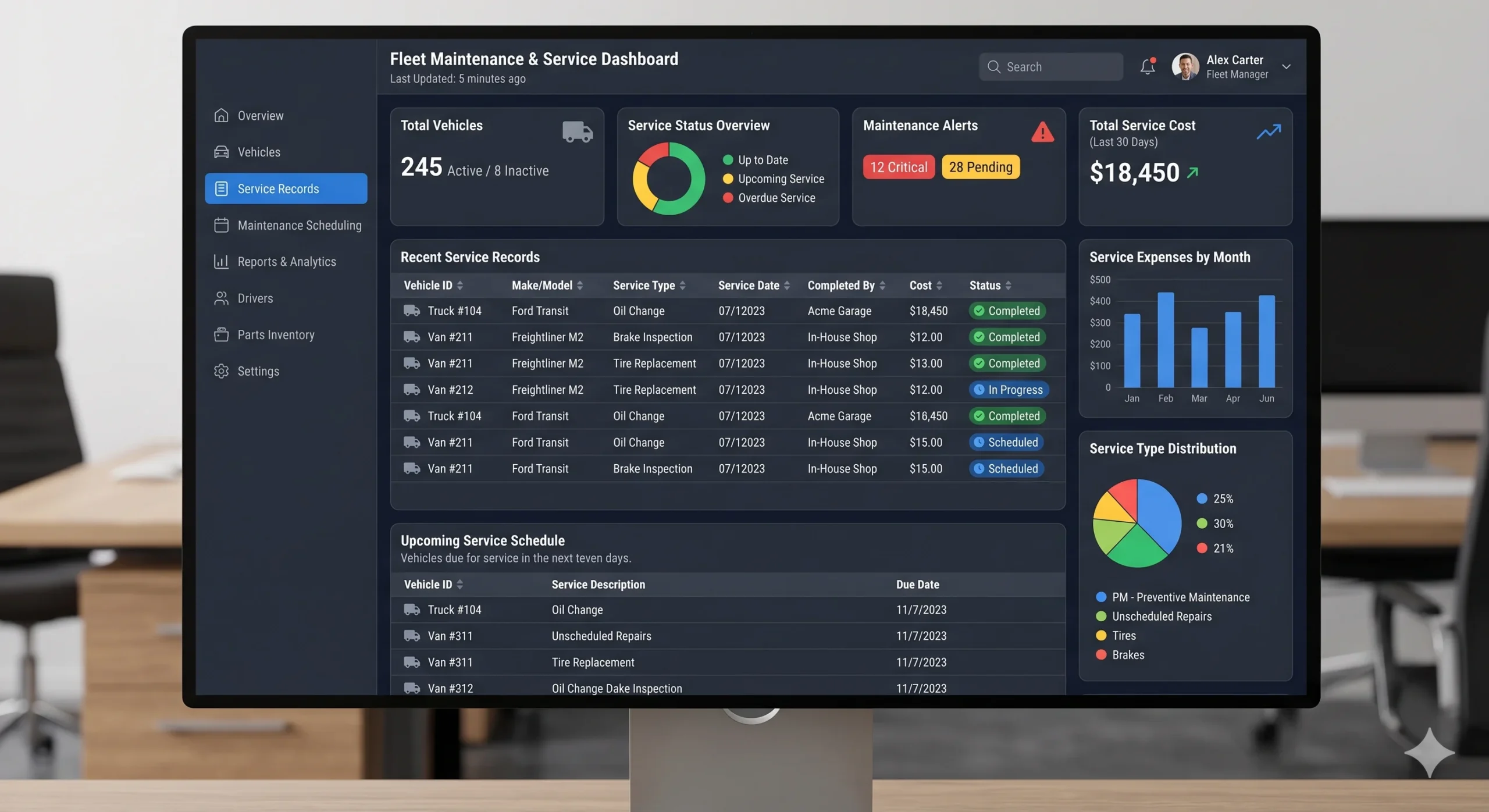
A modern fleet service documentation system records every job digitally, tracks service history, generates reports instantly, and stores data centrally. Therefore, every action becomes traceable. More importantly, this system eliminates ambiguity. In addition, it allows both the workshop and the fleet manager to access the same information in real-time. As a result, communication improves and errors are minimized. For instance, digital job cards provide a complete record of work performed. Automated reports deliver insights into overall fleet health. Therefore, decision-making becomes faster and more accurate.
How Moiboo Solves This
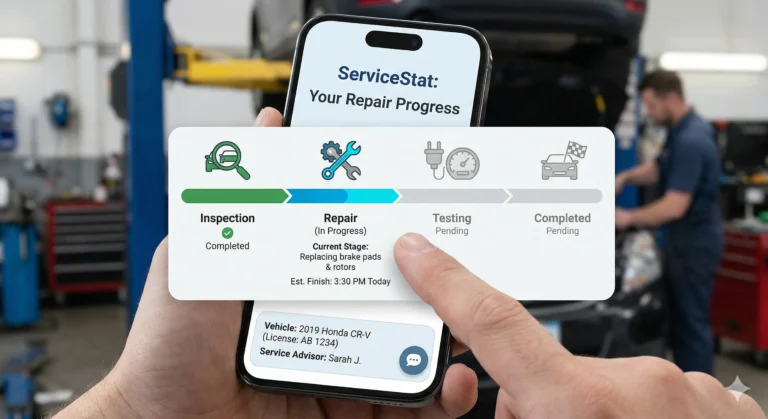
Moiboo provides digital job cards, complete service logs, automated reports, and real-time updates. More importantly, it standardizes operations across the workshop. Every technician follows the same process, and every job is documented consistently. In addition, Moiboo’s fleet service documentation system integrates with billing and inventory modules. Therefore, parts usage and costs are always up to date. As a result, workshops can offer transparent pricing and faster billing. More importantly, Moiboo creates a single source of truth for all service data. This builds trust with clients and improves operational efficiency.
Real-World Scenario
Without System:
- Missing records
- Delayed billing
- Client frustration
Manual processes often lead to missing job cards or lost invoices. As a result, clients wait longer for bills and approvals. More importantly, this causes frustration and erodes trust over time.
With Moiboo:
- Instant reports
- Clear documentation
- Faster approvals
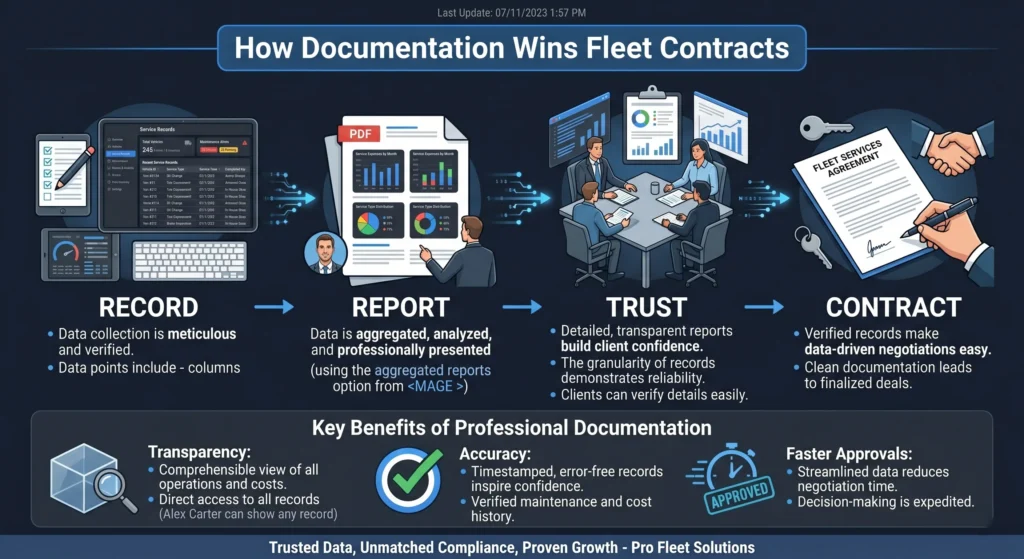
Moiboo’s fleet service documentation system enables workshops to generate instant reports for every vehicle. In addition, clients receive clear documentation, which speeds up approvals. Therefore, the entire service cycle becomes more efficient and professional.
Business Impact
Implementing a fleet service documentation system has a direct business impact:
- Higher client trust
- Faster payments
- Long-term contracts
- Increased revenue
More importantly, workshops can handle larger fleets with less stress. In addition, they can demonstrate compliance during audits. As a result, they attract high-value clients who demand accountability.
Competitive Advantage
Documentation becomes a differentiator. Workshops with better systems win better clients. More importantly, a fleet service documentation system enables workshops to scale operations efficiently. In addition, it positions the business as a reliable partner for corporate fleets. Therefore, investing in professional documentation is an investment in the workshop’s future.
FAQ
Fleet clients need documentation to track service history, manage costs, and ensure compliance. A fleet service documentation system provides the transparency and accuracy they require.
Clear, digital records reduce errors and disputes. Therefore, clients trust workshops that deliver accurate and timely documentation.
Yes. Moiboo’s fleet service documentation system is scalable and easy to adopt, regardless of workshop size.
The most important features are digital job cards, automated reports, real-time updates, and centralized service logs. More importantly, integration with billing and inventory systems streamlines the entire workflow.
Conclusion
Ultimately, professional documentation is no longer optional. It is essential for growth. Workshops that implement a fleet service documentation system can expect higher client satisfaction, faster payments, and stronger business relationships. More importantly, they gain a competitive advantage in a crowded market. Therefore, adopting Moiboo’s system is the smart choice for workshops aiming to win and retain high-value corporate fleets.