Introduction
In Malaysia, many automotive workshops still rely on manual vehicle inspections. These traditional methods often involve paper-based checklists and handwritten notes. However, digital vehicle inspections are gaining rapid adoption nationwide. More importantly, the choice between manual and digital inspections can significantly impact a workshop’s efficiency, accuracy, and customer trust. This leads us to a crucial question: manual vs digital vehicle inspections Malaysia—which works better?
Manual Vehicle Inspections in Malaysia
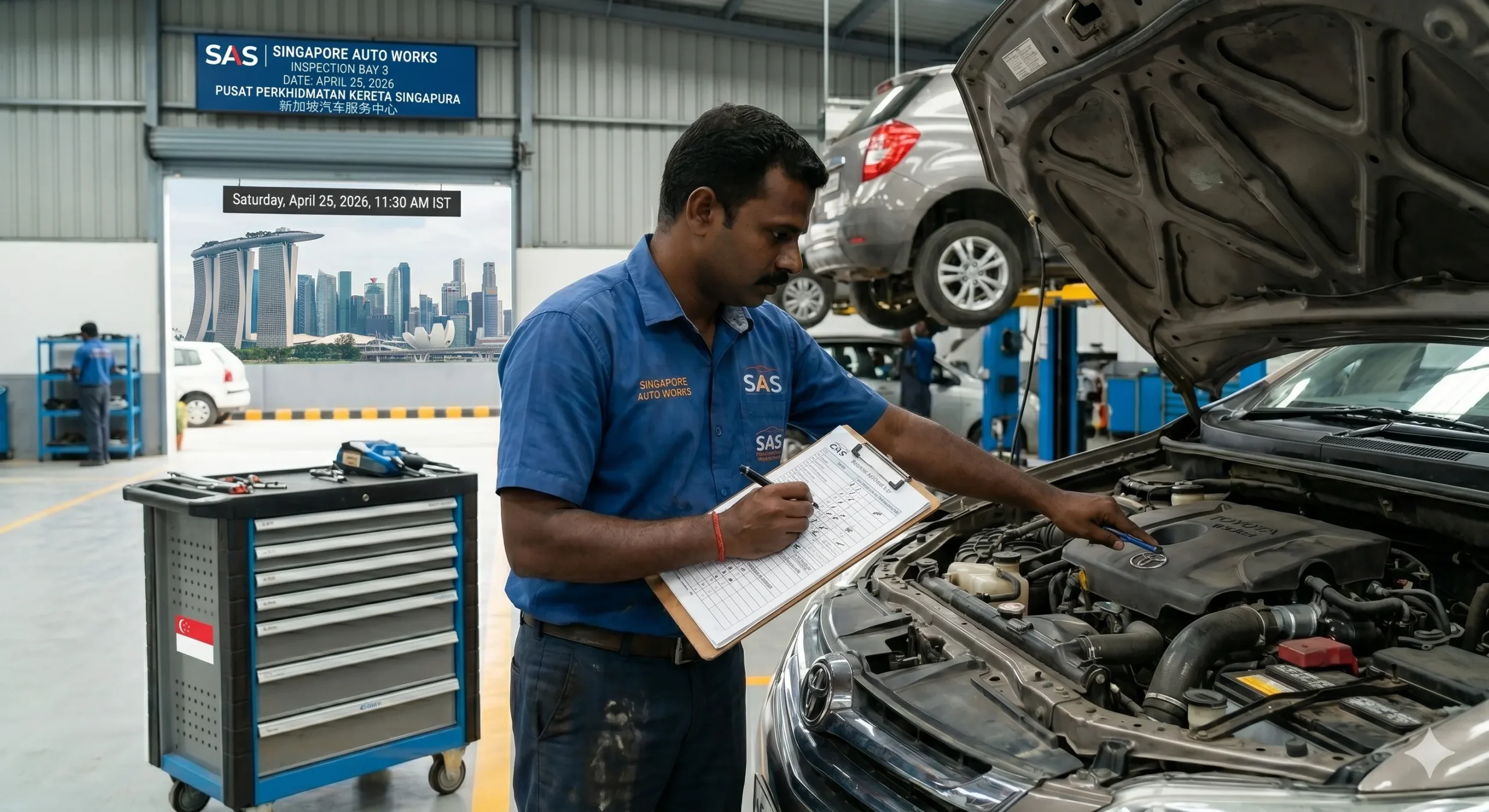
Traditionally, Malaysian automotive workshops have depended on manual vehicle inspections. Technicians check vehicles using paper checklists, pen, and visual cues. However, this process often leads to inconsistencies. For example, two technicians may inspect the same car but report different results. As a result, the quality of inspections may vary from one day to another. More importantly, manual records can be misplaced or damaged, and tracking historical data becomes difficult.
In addition, manual inspections typically require more time per vehicle. Workshops must store physical files, and retrieval later can turn into a hassle. Consequently, customer updates and transparency often suffer. Workshops might struggle to communicate findings clearly, which can reduce trust and repeat business.
Digital Vehicle Inspections: A New Era for Malaysian Workshops
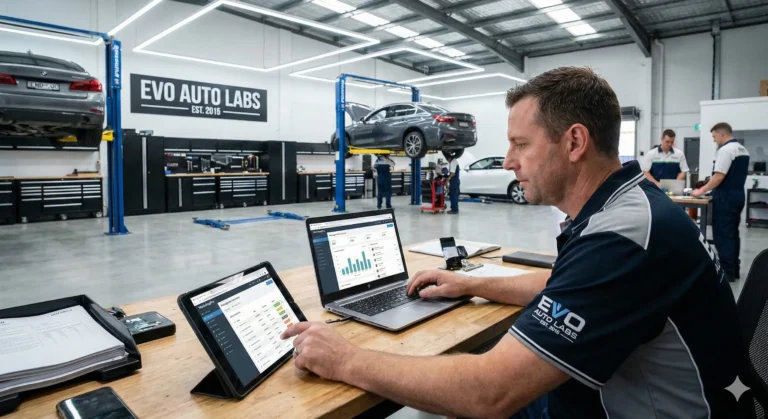
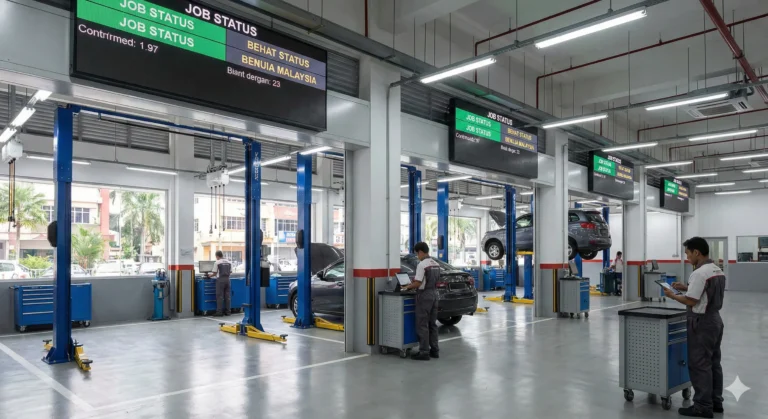
In contrast, digital vehicle inspections use mobile devices, tablets, or computers. Technicians enter findings into software, often with photos or videos attached. More importantly, these systems standardize the inspection process. Technicians follow digital checklists that reduce errors and improve consistency across the team.
In addition, digital platforms store data securely in the cloud. Workshop managers access inspection history instantly, and they share detailed reports with customers via email or messaging apps. Therefore, communication improves, and customers can see exactly what technicians found during each visit. As a result, trust and transparency increase.
Key Differences: Manual vs Digital Vehicle Inspections Malaysia
On the other hand, manual inspections rely heavily on individual technician expertise. Meanwhile, digital systems provide step-by-step guides, reducing the risk of missed items. Therefore, workshops using digital inspections deliver more accurate results.
Moreover, manual inspections often delay information sharing. In contrast, digital solutions allow instant notifications and updates to customers. For example, technicians can send inspection photos directly to a customer’s phone within minutes. As a result, customers make faster, more informed decisions about repairs.
Problems with Manual Inspections
Manual processes create multiple challenges for Malaysian workshops. As a result, errors and omissions may go unnoticed. Consequenty, workshops risk damaging their reputation if customers feel they receive inconsistent service.
Paper records pile up over time. Consequently, storage costs rise, and searching for a past inspection becomes time-consuming. More importantly, if paperwork is lost, there is no backup. As a result, the workshop loses valuable data and may face disputes with customers.
In addition, manual inspections slow down workflow. Technicians spend extra time filling out paperwork, which reduces the number of vehicles serviced each day. This inefficiency impacts profitability and customer satisfaction.
Benefits of Digital Inspections in Malaysia
Therefore, switching to digital inspections provides immediate benefits. More importantly, digital systems improve accuracy and accountability. Every inspection is tracked in real time. In addition, digital records remain safe and easy to retrieve at any time.
Technicians save time by using tablets or smartphones to complete standardized checklists. Workshops process more vehicles per day and deliver faster updates to customers. As a result, business efficiency increases. Meanwhile, customers appreciate the transparency and detailed reports. Consequently, they are more likely to return for future services.
Business Impact: Manual vs Digital Vehicle Inspections Malaysia
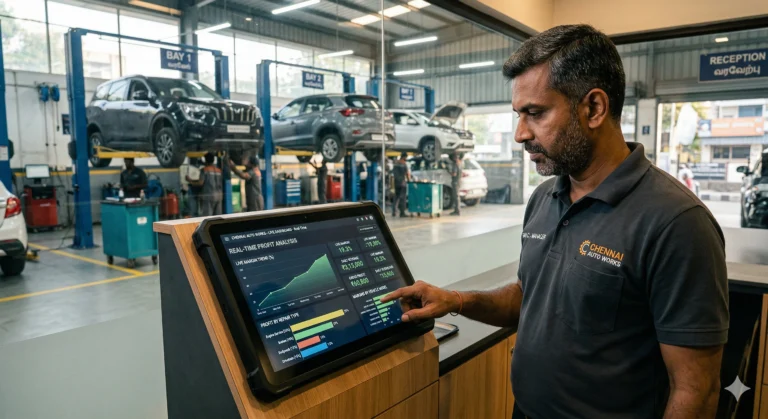
As a result of digital adoption, Malaysian workshops report higher customer satisfaction scores. Consequently, repeat business and referrals increase. Workshops save money on paper, storage, and administrative tasks. More importantly, managers gain real-time insights into workshop productivity and technician performance.
In contrast, workshops sticking to manual methods often lag behind competitors. Therefore, investing in digital inspections is not just a trend—it’s a strategic move for long-term business growth.
Moiboo: The Complete Digital Inspection Solution
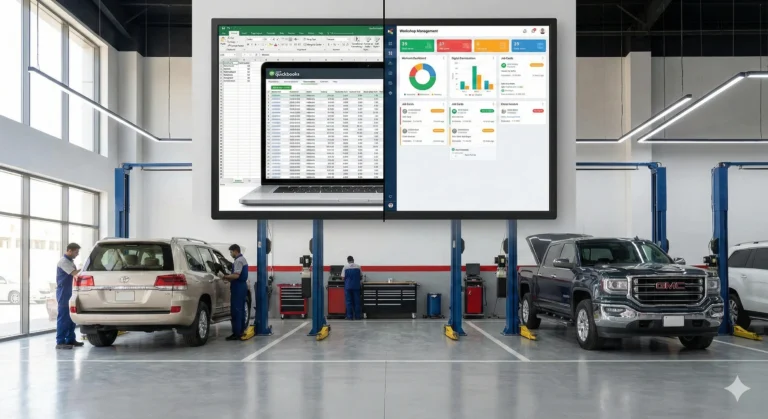
Moiboo tracks inspections step by step, ensuring nothing gets missed. Moiboo stores records securely, making it easy to retrieve any inspection in seconds. More importantly, Moiboo generates detailed reports that workshops send to customers instantly. In addition, the platform integrates with inventory and billing, streamlining workshop operations.
Workshops using Moiboo experience faster workflows, reduced paperwork, and improved customer satisfaction. Therefore, Moiboo stands out as the preferred solution for workshops looking to upgrade from manual to digital vehicle inspections in Malaysia.
FAQ: Manual vs Digital Vehicle Inspections Malaysia
Digital inspections provide higher accuracy with standardized checklists and real-time tracking.
Digital systems share real-time reports and photos, making findings transparent to customers.
Costs vary, but the long-term savings from efficiency and fewer errors outweigh initial investments.
Yes, even small workshops improve efficiency, accuracy, and customer satisfaction with digital solutions.
Moiboo offers local support, tracks inspections, stores records, and generates instant customer reports.
Conclusion: Choosing the Best Inspection Method for Malaysian Workshops
Ultimately, deciding between manual vs digital vehicle inspections Malaysia requires careful consideration. Therefore, workshops should evaluate current pain points and business goals. Digital inspections offer greater efficiency, accuracy, and customer trust. As a result, workshops gain a competitive edge and secure long-term growth.