Fleet visibility becomes unreliable with spreadsheets because spreadsheets cannot update in real time, synchronize departments, or manage operational dependencies at scale. As fleet size grows, manual tracking systems create blind spots that compound across intake, traffic, workshop, and finance workflows. Notably, the illusion of control spreadsheets offer quickly fades when operational demands outpace manual processes, resulting in costly inefficiencies and strategic missteps.
The Illusion of Control
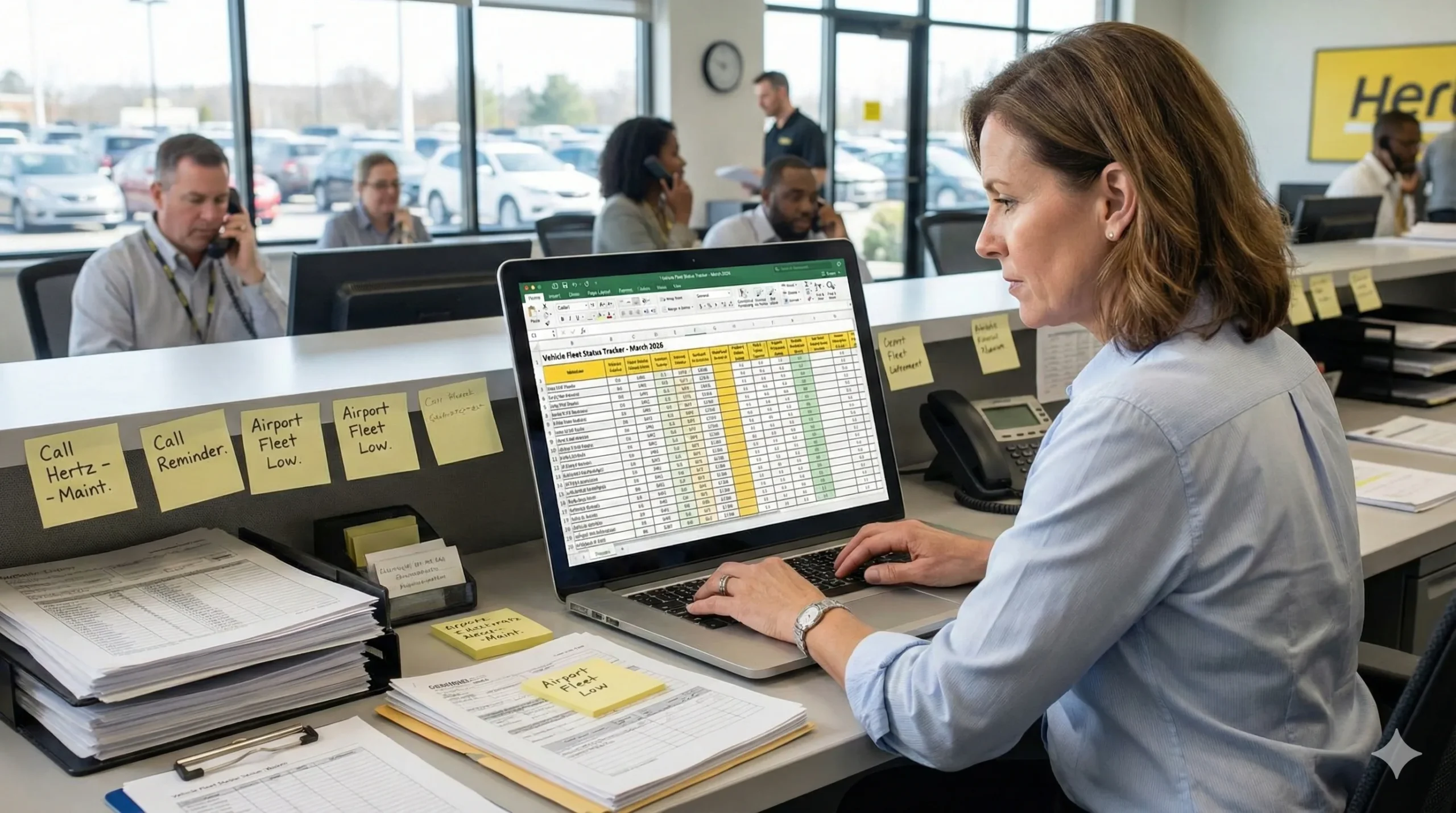
Spreadsheets have long been the go-to tool for organizing information. They feel organized, giving fleet managers a sense of control over their assets. With rows and columns, it appears as though data is centralized and reporting is structured. However, this perceived order comes with significant limitations.
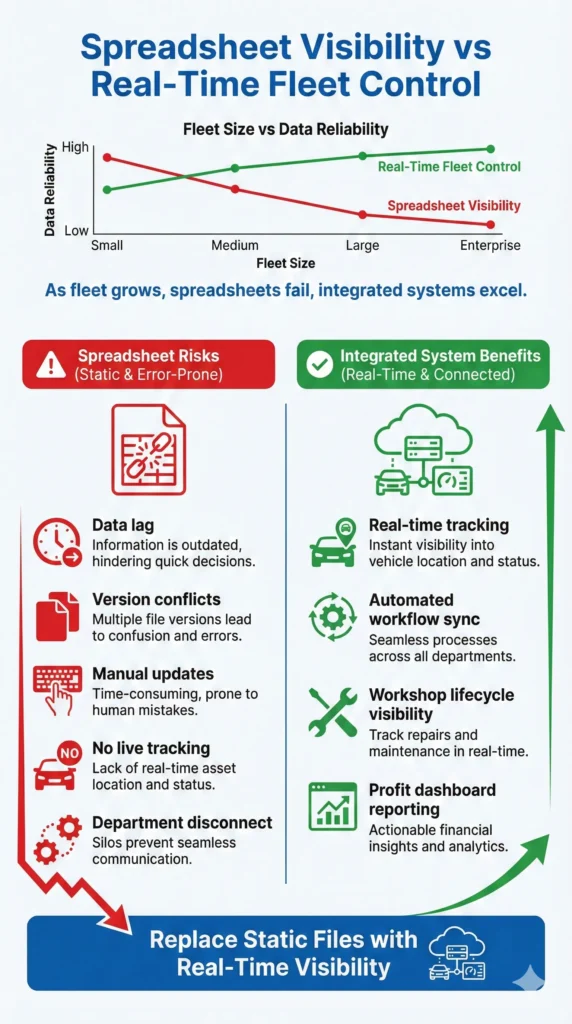
First, data in spreadsheets is inherently static. Unlike dynamic systems, updates are performed manually, which introduces delays and the risk of human error. Version conflicts are common, especially as multiple team members make concurrent changes, resulting in inconsistent data sets. Most critically, the real-time movement of vehicles is invisible in spreadsheet environments. Consequently, any attempt to monitor fleet activity relies on historical, not live, information.
As fleet size increases, these limitations become more pronounced. While a small fleet may be manageable with spreadsheets, scaling up introduces operational complexity that manual tracking simply cannot handle. Ultimately, spreadsheets fail to provide the real-time, synchronized visibility modern fleet operations demand.
Multi-Department Disconnect
A key challenge for fleet-based businesses is the need to coordinate information across multiple departments. In a spreadsheet-driven environment, customer intake, traffic allocation, workshop management, and financial logging are often tracked separately. This results in fragmented workflows and communication breakdowns.
For example, customer intake data may be logged in one sheet, while traffic allocation is managed in another. Workshop status updates are often performed manually, increasing the likelihood of outdated or incorrect information. Financial transactions, meanwhile, are typically logged after the fact, creating further lag. Without a synchronized system, these silos prevent a unified view of the fleet, leading to inefficiencies and avoidable errors.
Moreover, the lack of integration means that critical dependencies between departments go unmanaged. If a vehicle is delayed in the workshop, this may not be reflected in the dispatch schedule, leading to missed opportunities or customer dissatisfaction. Therefore, spreadsheets foster workflow fragmentation, undermining operational cohesion at scale.
Real-Time Movement Cannot Be Tracked Manually
Another critical pitfall of spreadsheets is their inability to track real-time vehicle movement. As fleets grow, visibility gaps multiply. Driver locations are often unknown, making it difficult to respond dynamically to on-the-ground challenges. Replacement vehicle allocation becomes error-prone, as the true availability of assets is unclear.
Dispatch inefficiencies soon follow. Without real-time data, fleet managers cannot optimize routes, respond to urgent requests, or reallocate vehicles during unexpected events. Idle vehicles may go undetected, resulting in wasted resources and reduced profitability.
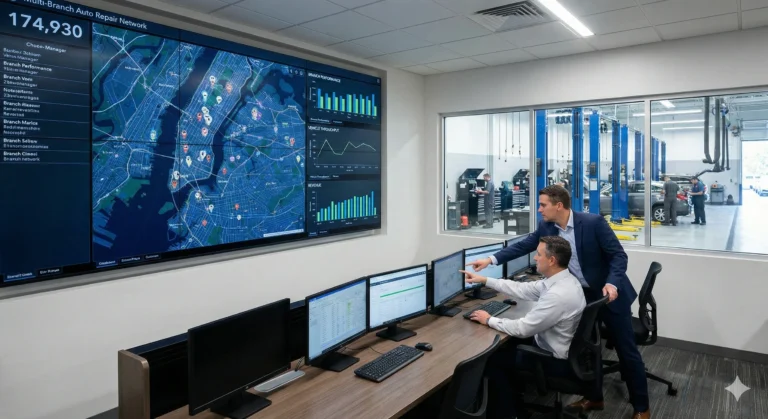
Ultimately, an operational environment that relies on manual tracking cannot support the agility required in today’s fast-paced market. Real-time dashboards, therefore, are not a luxury, but a necessity for maintaining optimal fleet performance and responsiveness.
Data Lag Creates Decision Lag
Relying on spreadsheets means accepting a constant lag between operational events and data visibility. Status updates are delayed by manual input, and utilization metrics are often outdated or inaccurate by the time they are compiled.
This data lag undermines decision-making. Profit per vehicle becomes obscured, as true operating costs and revenues are not immediately visible. Furthermore, relying on historical data leads to incorrect run-rate assumptions, which can distort strategic planning and budgeting.
Consequently, spreadsheet-driven operations are always a step behind, making it impossible to respond proactively to emerging trends or disruptions. Fleet managers are forced into reactive postures, limiting their ability to drive sustainable growth and profitability.
The Structured Alternative
The limitations of spreadsheets are clear, but what is the alternative? Integrated fleet management systems provide a closed-loop visibility model that addresses these challenges head-on.
With live vehicle tracking, managers gain up-to-the-minute insights into asset locations and statuses. Automated workflow updates ensure that every department—from intake to workshop to finance—is synchronized. Workshop lifecycle synchronization enables proactive maintenance scheduling, reducing unplanned downtime and improving asset longevity.
Financial dashboard integration closes the loop, providing real-time visibility into revenue, expenses, and profit per vehicle. As a result, decision-makers can act with confidence, leveraging data that is both current and comprehensive.
Notably, these systems are designed to scale, supporting fleet growth without introducing blind spots or workflow fragmentation. Therefore, upgrading to an integrated solution is not merely an operational improvement—it is a strategic imperative for modern fleet businesses.
FAQ: Fleet Visibility and Spreadsheets
Spreadsheets are unreliable because they cannot provide real-time updates, synchronize across departments, or manage operational dependencies at scale. Manual data entry introduces errors and delays, making visibility incomplete and outdated
While small fleets may operate acceptably on spreadsheets, operational reliability begins to break down as soon as multiple team members, vehicles, or departments need concurrent access. Generally, fleets above 15–20 vehicles outgrow spreadsheet viability.
Real-time tracking eliminates blind spots, enabling immediate response to issues, optimizing dispatch, and improving customer satisfaction. It allows managers to allocate resources dynamically and reduce downtime.
Spreadsheets struggle with driver allocation, especially as fleet size grows. Updates are manual, assignments lack real-time status, and conflicts are common, leading to inefficiencies and errors.
Data lag causes miscommunication, missed deadlines, and inaccurate reporting. Customers receive outdated information, and internal teams work with stale data, all of which contribute to increased complaints and reduced trust
Conclusion
Spreadsheets do not fail because they are wrong. They fail because they are not designed for real-time operational density. Fleet visibility requires synchronization—not static files. Ultimately, the cost of unreliable visibility far outweighs the perceived convenience of spreadsheets. Upgrade visibility before blind spots cost you performance.