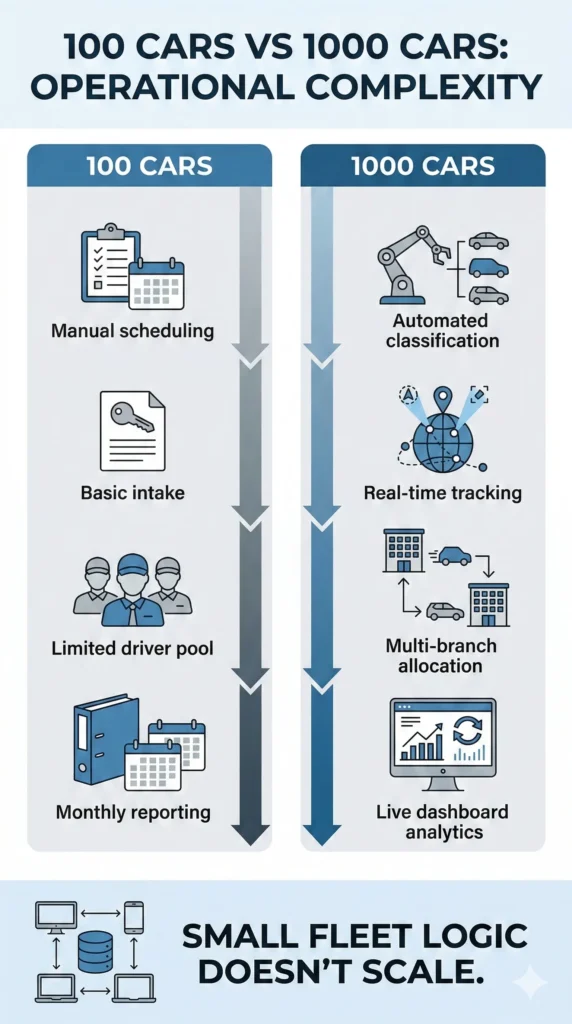
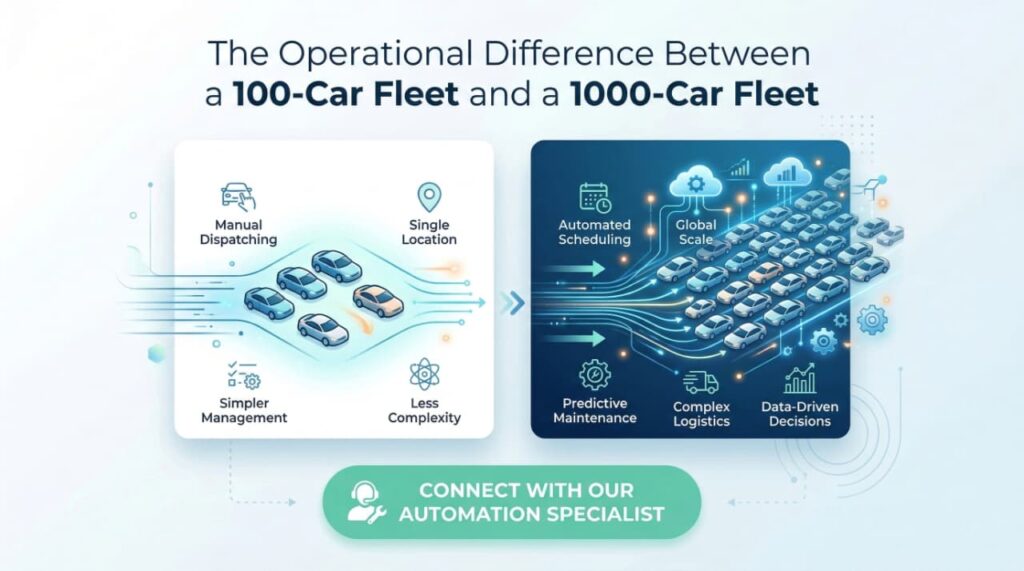
The operational difference between a 100-car fleet and a 1000-car fleet is not linear — it is exponential. What works operationally at 100 vehicles collapses at 1000 if systems are not structured for density. Growth changes complexity, not just scale. As your fleet expands, every operational inefficiency is magnified, and what once felt manageable rapidly becomes unsustainable. To remain competitive, fleet owners and enterprise rental operators must recognize that scaling is not merely about having more vehicles; it is about re-architecting every process, every channel, and every system that touches your operation.
Communication Density
At 100 cars, communication is fundamentally manageable. Call volumes are contained, and customer issues, driver concerns, and operational alerts can be routed through a small, focused team. However, as you approach 1000 vehicles, the landscape changes dramatically. Multi-channel intake — phone, email, SMS, app, and even social media — overloads traditional communication lines. Urgency classification becomes a complex task, as not every issue warrants immediate escalation, yet response delays can cascade into operational bottlenecks.
Moreover, escalation chains become labyrinthine. At 100 vehicles, a supervisor can be looped in on exceptions directly. At 1000, the volume and diversity of exceptions require structured escalation protocols, tiered responsibilities, and automated routing. Consequently, intake must be automated at scale; manual triage is no longer viable. Systems must classify, prioritize, and assign tasks in real time, ensuring that nothing critical falls through the cracks.
Traffic & Allocation Complexity
Scaling up a fleet from 100 to 1000 cars brings a corresponding increase in drivers, routes, and geographic distribution. The complexity does not merely multiply — it compounds. Driver count increases tenfold, creating challenges in scheduling, tracking, and compliance. Moreover, the geographic spread of vehicles introduces allocation inefficiencies, as live demand and supply no longer align naturally.
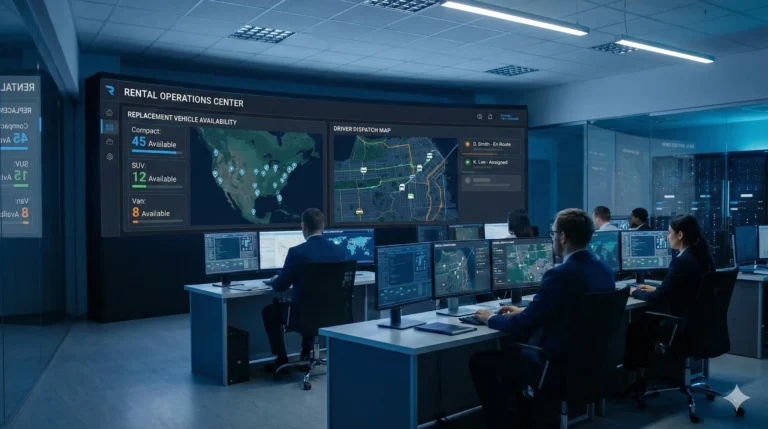
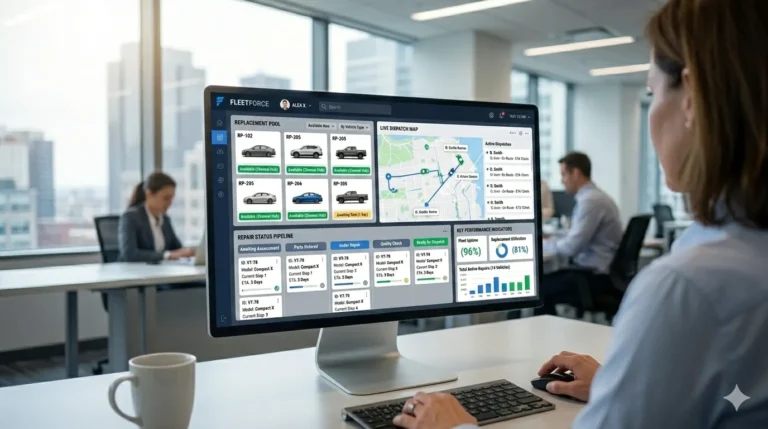
Replacement vehicle demand, which is occasional at 100 cars, becomes a constant operational reality at 1000. Real-time movement of vehicles — for pickup, drop-off, maintenance, and replacement — becomes a core dependency. Therefore, live tracking and centralized allocation are no longer optional. They become mandatory. Only with robust, real-time systems can you optimize asset utilization, reduce idle time, and ensure rapid response to the dynamic needs of a distributed fleet.
Workshop & Maintenance Overlap
With 100 cars, preventive maintenance can be scheduled in regular, predictable cycles. However, with 1000 cars, clustering of maintenance events becomes inevitable. Accident frequency increases simply due to volume, and the volume of quotation approvals grows exponentially. Each incident, each repair, and every approval adds to the operational load.
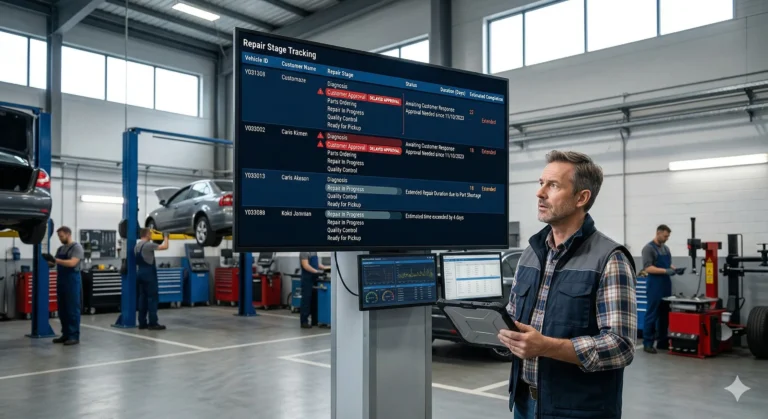
Idle-day multiplication becomes a silent profit killer. Vehicles awaiting maintenance or approval can quickly accumulate, sapping resources and eroding margins. Consequently, workshop lifecycle tracking is no longer a back-office function — it is mission-critical. Real-time visibility into every stage of the maintenance process, from intake to completion, is essential for minimizing downtime and maximizing fleet availability.
Replacement Vehicle Instability
As fleets scale, the likelihood of overlapping breakdowns and repair events rises. At 100 cars, replacement vehicle needs can be handled ad hoc. At 1000, the risk of branch-level imbalance and unpredictable demand spikes becomes a daily challenge. Without automated trigger systems to identify, allocate, and rotate replacement vehicles, branches can quickly find themselves over- or under-supplied.
Moreover, lack of synchronization in replacement workflows results in customer dissatisfaction, lost revenue, and operational chaos. Therefore, it is essential to implement a synchronized, system-driven replacement workflow. Only then can you preemptively balance supply, mitigate risk, and deliver consistent service quality across locations.
Financial & Dashboard Visibility
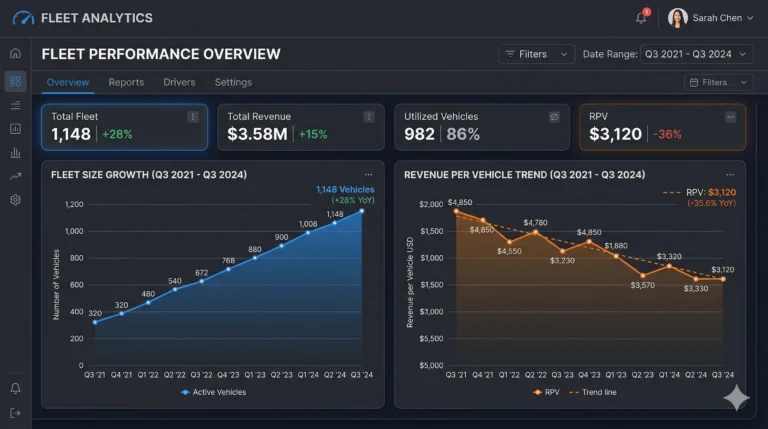
At 100 cars, monthly reporting and manual reconciliation suffice for basic financial oversight. However, at 1000 cars, the margin for error shrinks and the complexity of fuel, toll, and driver incentive tracking multiplies. Per-vehicle margin monitoring is no longer a luxury — it is a necessity.
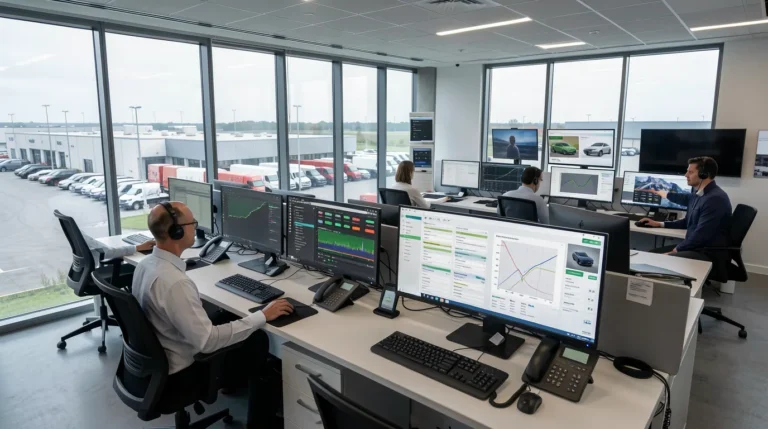
Consequently, dashboard-level operational intelligence becomes the defining differentiator. Real-time profitability tracking enables operators to make informed decisions, optimize resource allocation, and quickly identify areas of concern. Notably, those who invest in advanced analytics and integrated dashboards gain a strategic advantage, transforming raw data into actionable insight.
FAQ: Fleet Scaling and Operations
Operational complexity increases exponentially. Processes that work at 100 vehicles — such as manual scheduling, basic maintenance tracking, and ad hoc communication — become bottlenecks at 1000. Automation, structured escalation, and real-time visibility are required to manage the increased scale, geographic spread, and incident frequency.
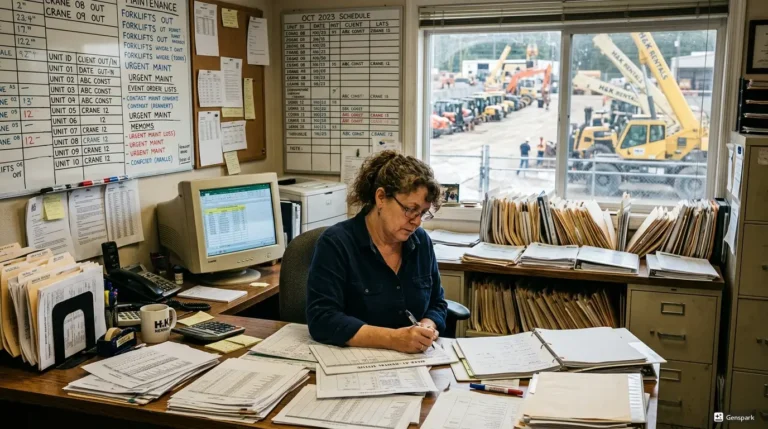
Spreadsheets lack real-time data integration, multi-user collaboration, and audit trails. At 1000 cars, data is updated too frequently and by too many people for spreadsheets to remain accurate. Errors, version conflicts, and lack of automation lead to costly mistakes and inefficiencies.
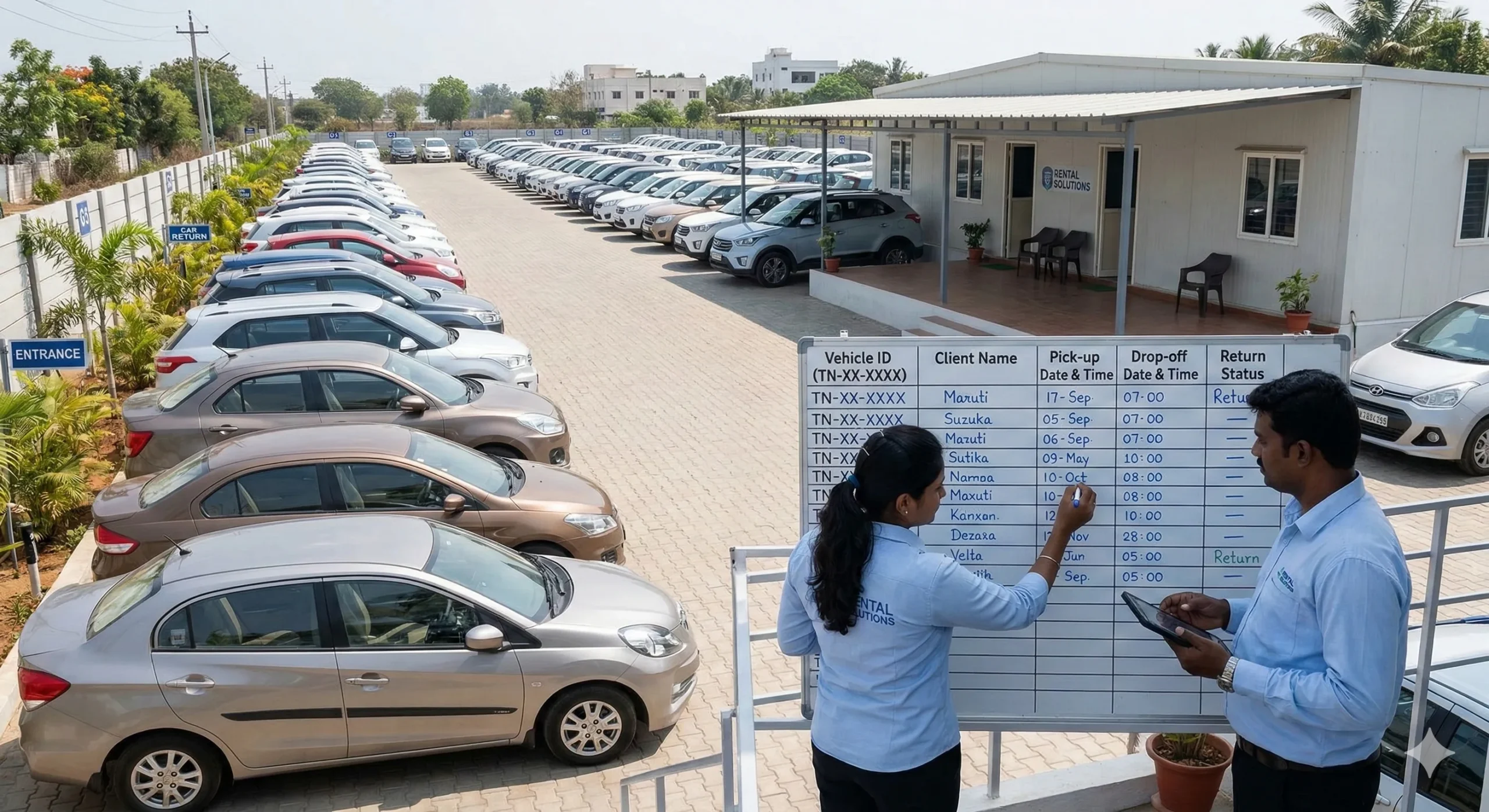
Driver coordination becomes more complex as the fleet grows. Scheduling must account for availability, compliance, and geographic distribution. Manual methods quickly become unmanageable, necessitating automated scheduling, real-time tracking, and centralized communication platforms to ensure consistent driver performance and rapid incident response.
Automation is critical. It enables real-time intake, task assignment, incident escalation, maintenance tracking, and financial reconciliation. Without automation, operational staff are overwhelmed, and service quality suffers. Automated systems ensure that processes scale efficiently and consistently.
Downtime risk increases with more vehicles. Uncoordinated maintenance, approval delays, and slow incident response multiply idle days and reduce overall fleet utilization. At scale, only real-time tracking and automated workflow management can prevent downtime from eroding profitability.
Conclusion
A 100-car fleet is operational management. A 1000-car fleet is system architecture. The difference is not vehicles — it is workflow control. Leaders who understand this shift—and invest in scalable, intelligent systems—position themselves to thrive as their fleets grow. Ultimately, scale your systems before scale exposes your limitations.