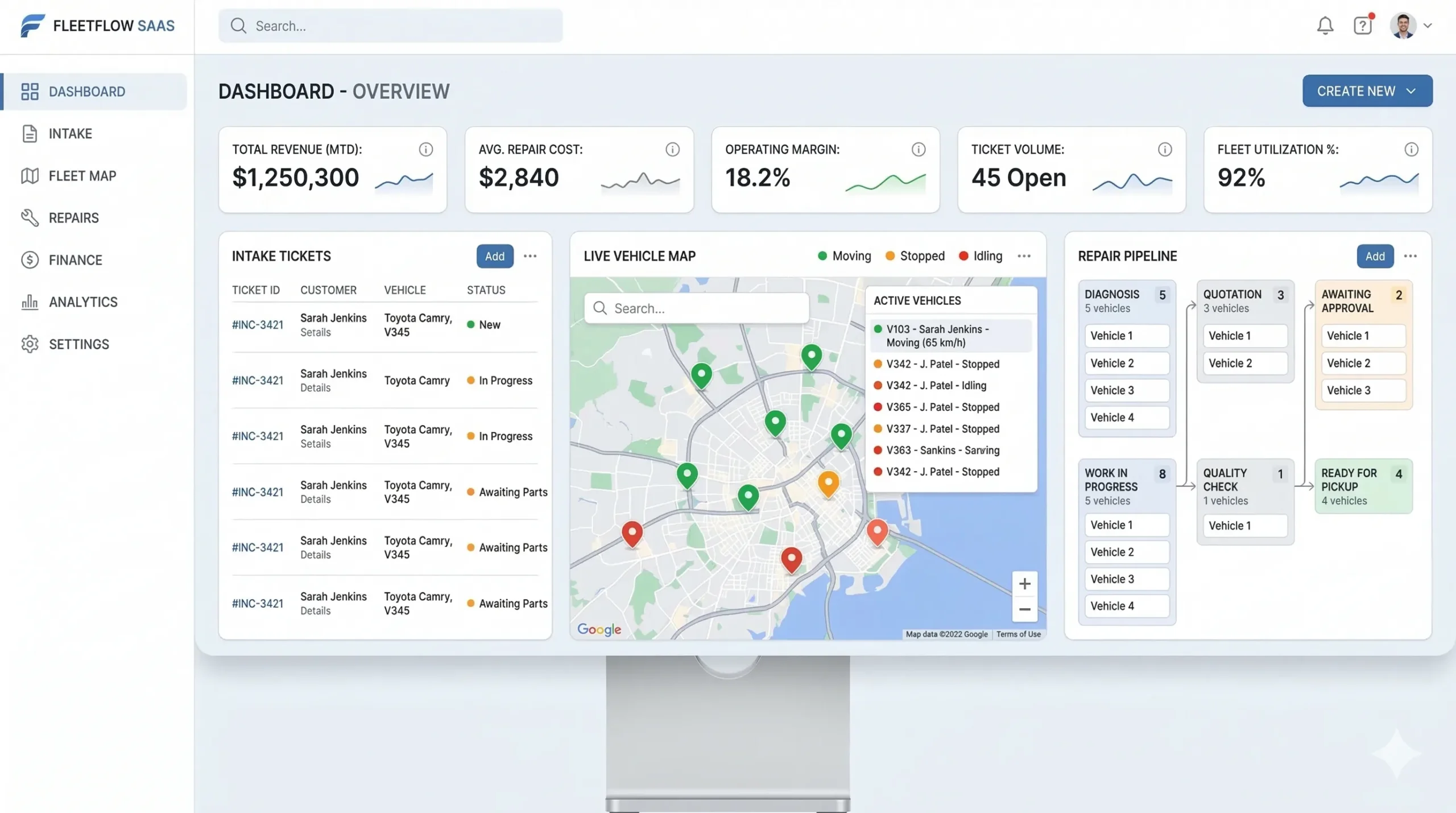
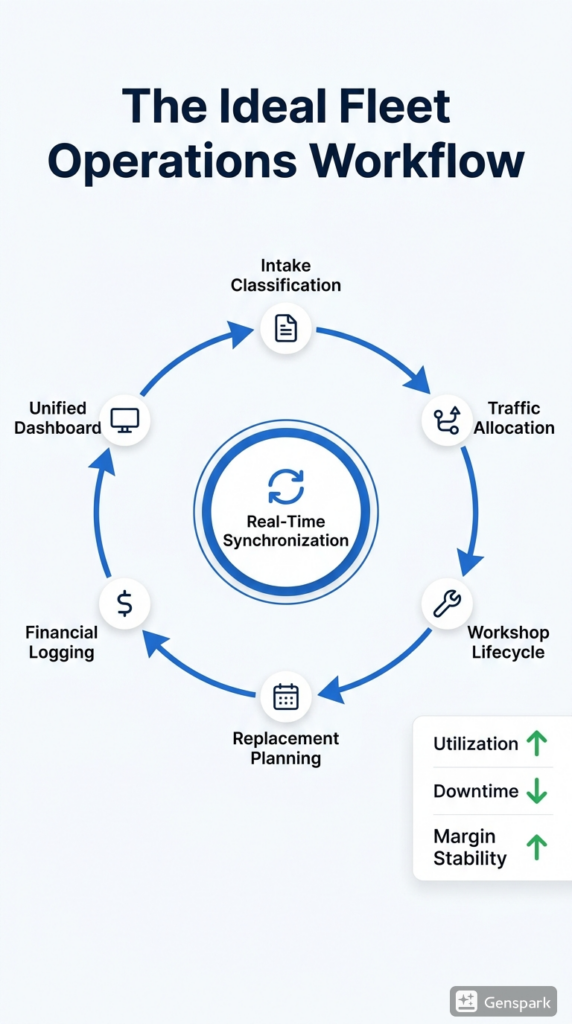
In the world of rental fleet management, operational excellence is not a byproduct of scale—it is the result of intelligent synchronization. An ideal fleet operations workflow is defined by the seamless alignment of every process, system, and team member, not by the sheer volume of activity. For rental fleet owners, COOs, operations managers, and investors, the ultimate differentiator is not how many vehicles you possess, but how predictably and profitably you control them. Operational control, rather than fleet size, determines margin stability, utilization rates, and long-term business value.
Intake as the Control Gateway
Every ideal fleet operations workflow begins with intake, the crucial gatekeeper of order and efficiency. Rather than allowing requests, breakdowns, or new assignments to trickle in through disparate channels, leading operators implement automated ticket creation integrated with their core fleet management system.
Upon intake, each incident or request receives urgency classification, ensuring that high-impact issues are prioritized and routine items are scheduled with minimal disruption. Direct routing then dispatches these tickets to the appropriate teams or personnel based on availability, expertise, and current workload. This eliminates the guesswork and delays that typically plague manual allocation.
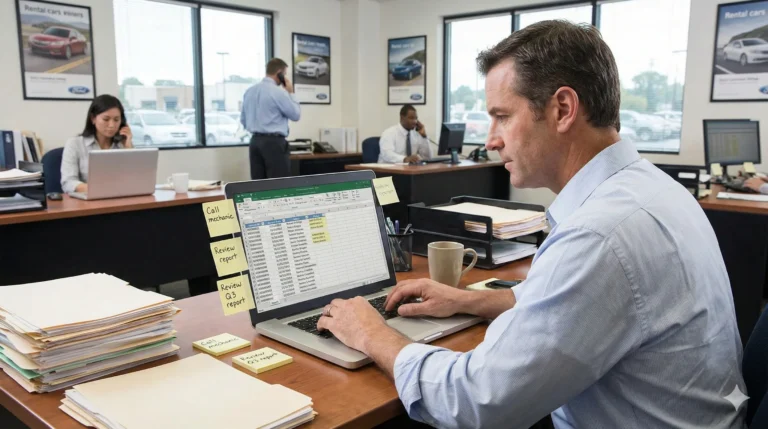
A centralized communication log captures every note, update, and decision related to each ticket. As a result, handovers never become black holes, and information siloes dissolve. Structured intake reduces routing latency significantly, preventing downstream chaos and compressing response times. When intake is controlled, the entire operational pipeline becomes predictable.
Real-Time Traffic & Allocation
Once intake is streamlined, the next essential workflow stage is real-time traffic allocation. Live vehicle availability dashboards provide operations managers with immediate insight into which assets are ready, under maintenance, or soon to be redeployed. This visibility enables precise decision-making.
Furthermore, driver dispatch visibility ensures that every vehicle movement is tracked, and dispatchers can assign jobs based on route proximity, driver hours, or customer urgency. Replacement trigger automation identifies when a vehicle should be swapped—such as for scheduled maintenance, breakdown, or end-of-life rotation—automatically flagging the need for replacement without manual intervention.
Geographic balancing, powered by real-time data, further optimizes allocation. Vehicles are positioned where demand is highest, reducing deadhead mileage and ensuring customers always have access to the right assets. Allocation precision directly safeguards utilization, compresses idle time, and boosts revenue per vehicle.
Workshop Lifecycle Transparency
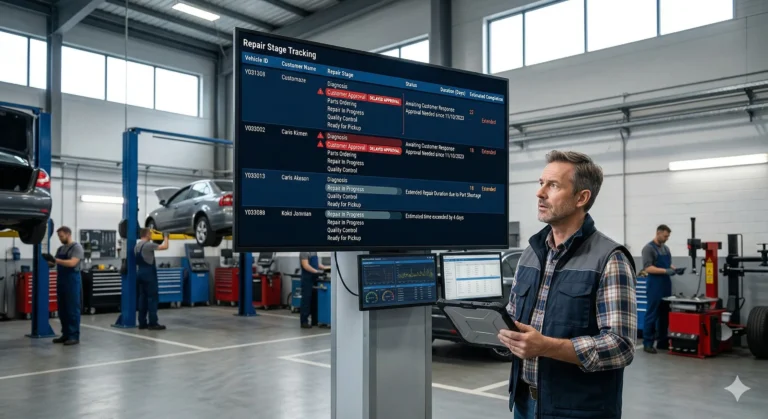
Even the most advanced allocation systems can falter if the workshop lifecycle is opaque. Stage tracking is essential: every repair or maintenance ticket moves through standardized checkpoints, from diagnosis to parts ordering to quality assurance. Approval workflows ensure that costs, scope, and vendor selections are authorized, preventing budget overruns or compliance slips.
Estimated ready-date forecasting leverages historical and real-time data to predict when each vehicle will return to service. This reduces the need for status chasing and enables proactive scheduling of replacements. Downtime compression becomes possible only when every workshop stage is visible, measurable, and actively managed. Visibility does not merely report status—it empowers operations teams to intervene before delays cascade into utilization losses.
Intelligent Replacement Planning
No ideal fleet operations workflow is complete without intelligent replacement planning. Automatic off-road detection, driven by telematics and maintenance data, flags vehicles at risk of extended downtime. Replacement pool forecasting anticipates future needs by analyzing historical breakdown rates, seasonal demand, and current asset health.
Pre-allocated vehicles are reserved in advance, ensuring that replacements are available the moment they are required. Redeployment sync coordinates the return of repaired vehicles with the withdrawal of temporary replacements, avoiding surpluses and shortages. By stabilizing availability, intelligent replacement planning prevents revenue leakage and sustains customer service levels.
Financial Synchronization
True operational control is impossible without real-time financial synchronization. As each transaction is logged—whether a repair, rental, or incentive payout—costs are captured instantly, mapped to individual vehicles, and aggregated across the fleet. Incentive automation aligns employee or vendor compensation with predefined performance metrics, ensuring that behaviors and outcomes are tightly linked.
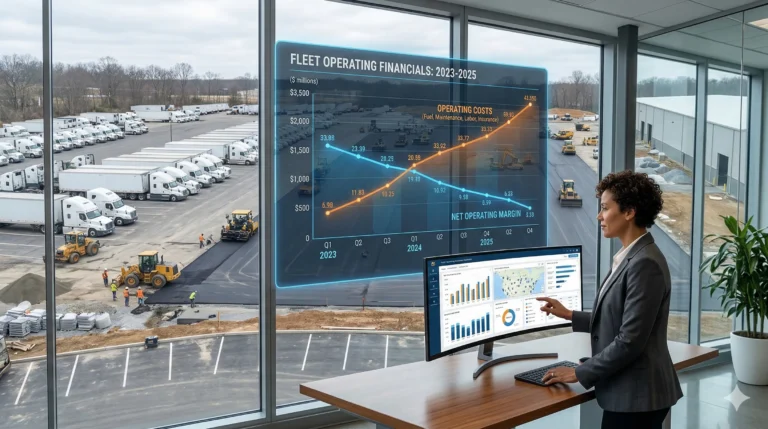
Revenue per vehicle tracking offers granular insights into the profitability of every asset, while profit visibility at every workflow stage empowers managers to make data-driven decisions. Finance ceases to be an after-the-fact reporting function and becomes a source of operational intelligence, guiding daily decisions that protect and grow margins.
Unified Dashboard Control Layer
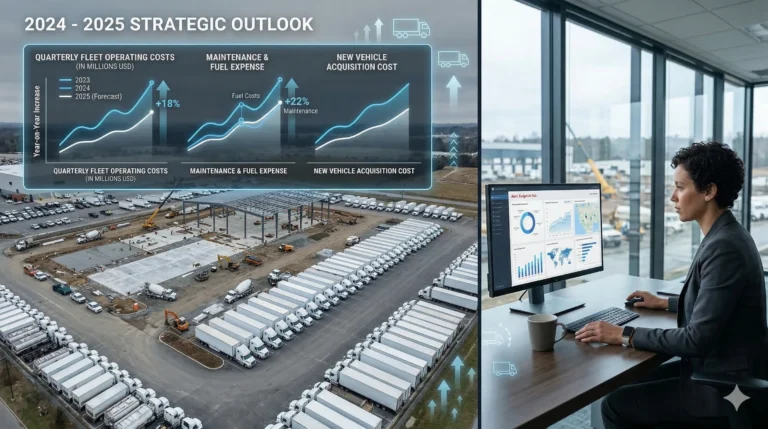
At the apex of an ideal fleet operations workflow stands the unified dashboard control layer. This single source of truth aggregates operational, financial, and compliance data in real time. KPI visualization brings critical metrics—such as utilization, downtime, cost per mile, and customer satisfaction—into sharp focus.
Exception alerts proactively flag anomalies, empowering executives and managers to address issues before they threaten performance or profitability. Executive-level control is not just about oversight; it is about accelerating decisions, enforcing standards, and ensuring that every workflow stage is synchronized and margin-positive.
FAQ: Fleet Operations Workflow Optimization
Transparent stage tracking and real-time communication across the workshop lifecycle eliminate status uncertainty, enabling targeted interventions and reducing overall downtime.
Automated ticket intake standardizes issue capture, ensures immediate urgency classification, and routes requests directly to the correct team, removing manual bottlenecks and preventing lost information.
Real-time allocation responds instantaneously to changing conditions, maximizing asset utilization and minimizing idle time, whereas periodic scheduling can leave gaps and inefficiencies.
By forecasting demand, pre-allocating vehicles, and automatically detecting off-road incidents, replacement planning guarantees that assets remain available even during unexpected events.
Conclusion
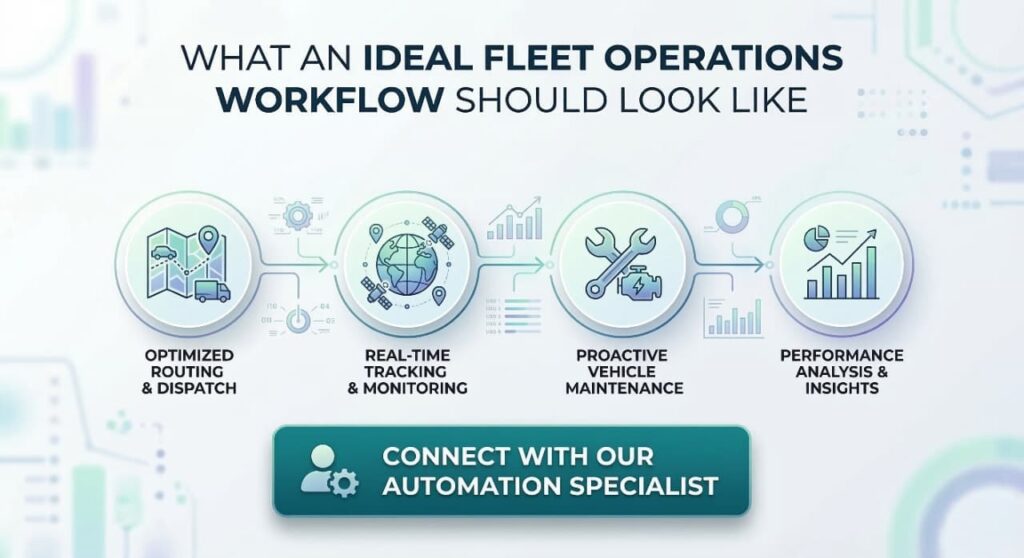
Fleet size creates capacity; however, operational control converts capacity into profit. Without synchronized workflows, complexity increases and margins erode. Therefore, rental companies must prioritize system architecture before expansion.
Ultimately, sustainable growth depends not on adding vehicles, but on strengthening control across intake, allocation, workshop, and finance. When coordination flows seamlessly, utilization rises and profitability stabilizes.