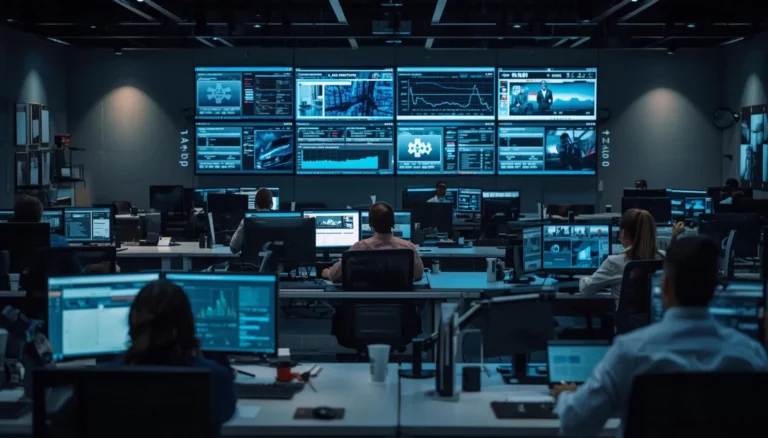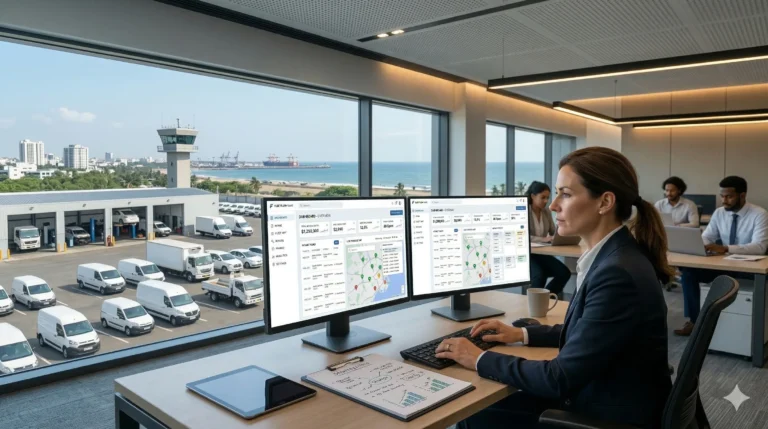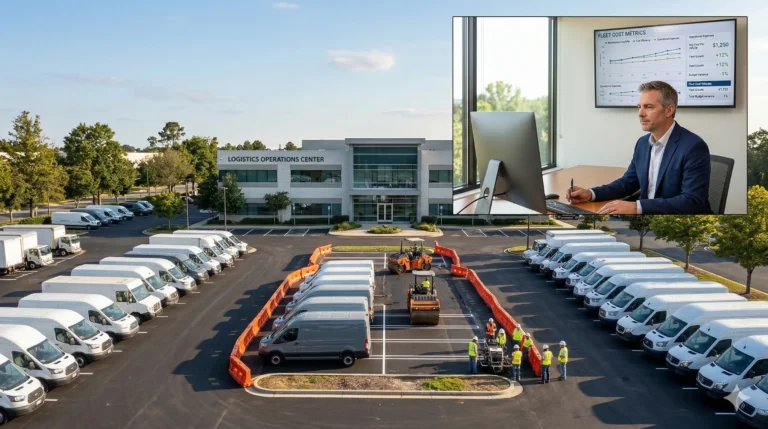

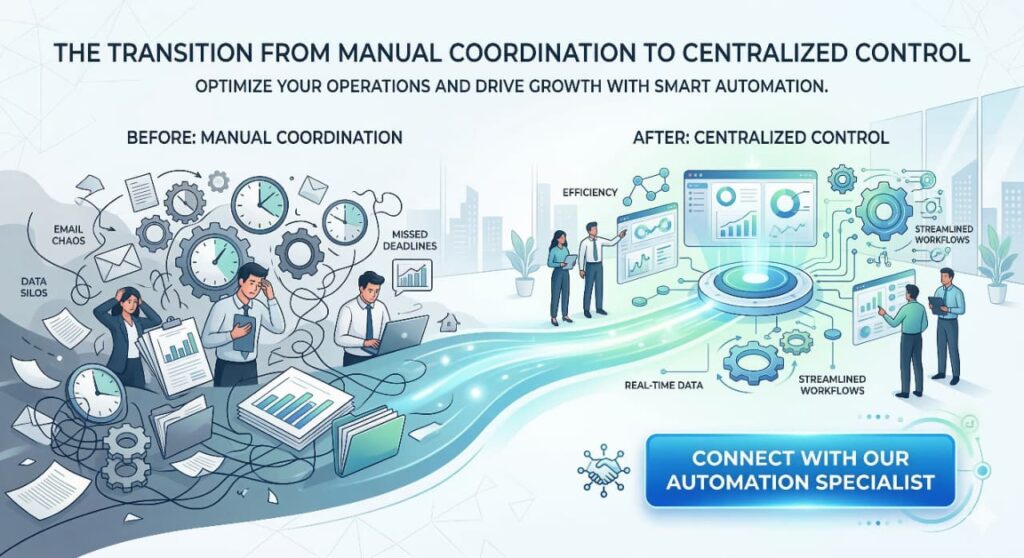
The transition from manual coordination to centralized control marks the turning point between reactive operations and scalable performance. As fleets grow, manual systems inevitably generate more communication volume; however, centralized control systematically reduces coordination friction. For fleet owners, COOs, and operations heads charged with managing growth and margin, this transformation is not just an upgrade—it is an operational imperative.
The Limits of Manual Coordination
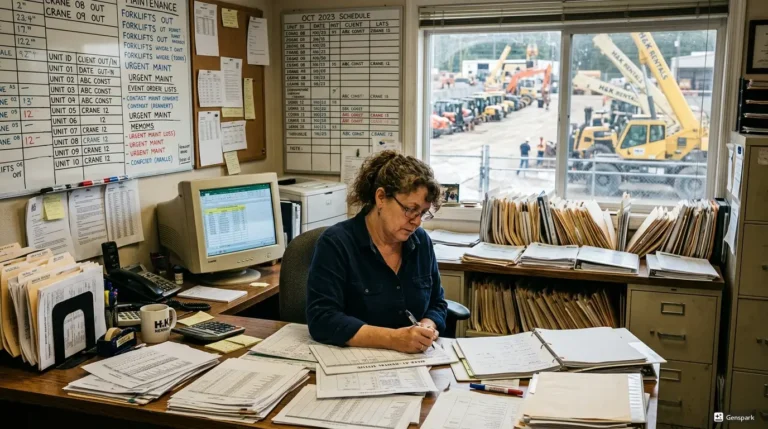
Historically, fleet management relied on a patchwork of manual processes. Phone-based dispatch, spreadsheet tracking, and constant status chasing defined the daily rhythm. As fleets expanded, so did the volume of calls, texts, and emails required to orchestrate each movement. Approval bottlenecks and escalation loops emerged, trapping staff in repetitive cycles. Each additional vehicle multiplied coordination density, yet failed to increase true operational efficiency.
For example, a typical day might involve juggling dozens of calls to confirm driver availability, updating spreadsheets with shifting ETAs, and chasing down workshop approvals. When an issue escalates, everyone scrambles to piece together partial information spread across different channels. While these efforts increase activity, they rarely yield sustainable gains. Instead, manual coordination amplifies communication noise, inflates response latency, and exposes organizations to costly errors. The result is a system where scale breeds disorder, not productivity.
Centralized Intake Architecture
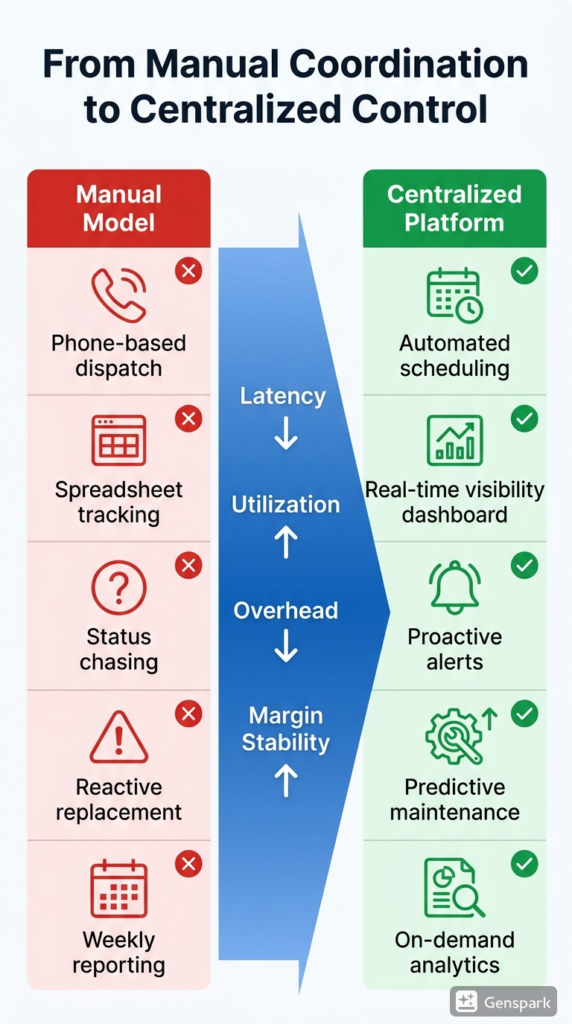
Transitioning to centralized intake fundamentally restructures how fleets absorb and process demand. Automated classification instantly identifies request type, urgency, and priority, ensuring that each intake is routed directly to the appropriate resource. Instead of relying on manual triage, direct routing accelerates response times and eliminates status ambiguity.
Meanwhile, SLA tracking ensures every intake is measured against clear performance benchmarks. Unified communication logs capture every interaction, reducing information loss and providing a single source of truth. Because intake standardization streamlines handoffs, operational latency drops sharply. Teams move from status-chasing to solution-executing, compressing cycle times and reducing coordination overhead.
Live Allocation & Traffic Visibility
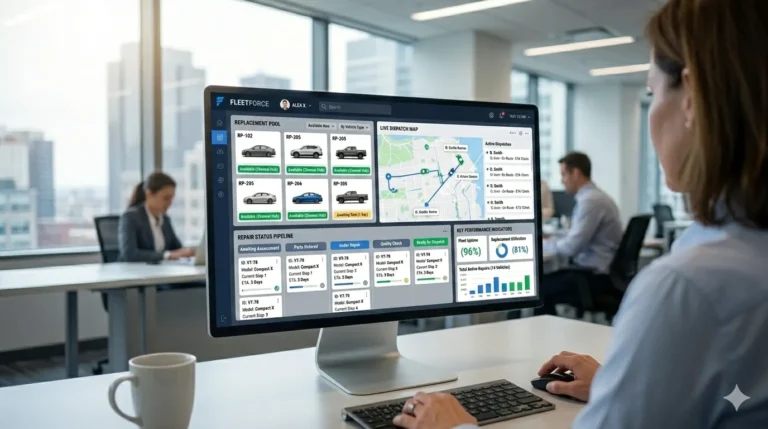
Centralized control transforms allocation from a guessing game to an exact science. Real-time availability feeds provide instant insight into which assets and drivers are ready, in service, or in transit. This visibility eliminates the risk of double-booking and ensures each vehicle is optimally utilized.
Driver tracking further sharpens allocation accuracy, allowing for immediate adjustments as conditions change. If a vehicle or driver becomes unavailable, replacement auto-triggers activate, instantly reallocating resources to maintain flow. Position allocation intelligence—powered by live data—serves as a utilization protector, guarding against idle assets and ensuring every operational decision is data-driven. As a result, fleets stabilize utilization rates and avoid the pitfalls of over- or under-deployment.
Workshop Lifecycle Synchronization
Manual workshop management often suffers from opaque status updates and unpredictable ready dates. Centralized systems, by contrast, provide granular stage tracking, from intake to inspection to repair and release. Approval automation replaces slow manual sign-offs, drastically reducing bottlenecks.
Ready-date forecasting—driven by real-time updates—enables precise scheduling of downstream activities, minimizing idle days. Idle-day monitoring becomes proactive, with alerts and analytics pinpointing process gaps before they impact operations. Lifecycle transparency compresses downtime, enabling fleets to return assets to service faster and with higher predictability.
Financial Integration & Dashboard Control
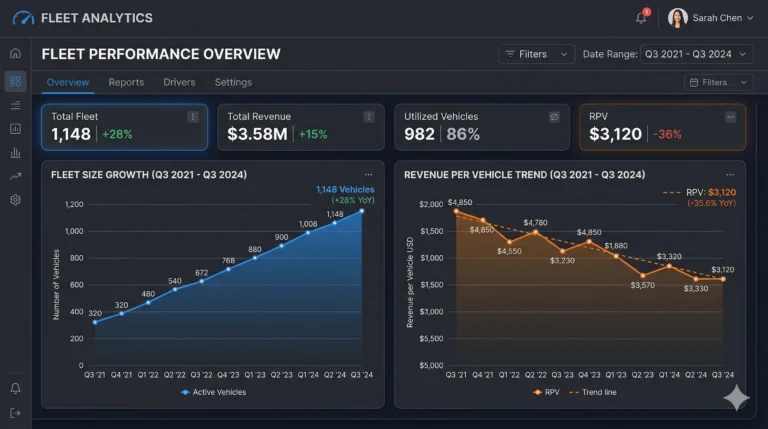
Operational visibility is incomplete without financial integration. Centralized control enables real-time cost logging, connecting every operational event to its financial impact. Revenue per vehicle becomes instantly visible, allowing for granular margin analysis at the asset level.
Utilization analytics provide a holistic view, correlating activity with profitability. By surfacing margin per asset directly on executive dashboards, leaders gain a new level of control over resource allocation and investment decisions. Centralized control thus becomes an executive visibility layer, transforming data into actionable intelligence across the fleet lifecycle.
Organizational Impact of Centralized Control
Beyond workflow efficiency, centralized control reshapes organizational culture. Reduced coordination overhead leads to fewer escalations and less burnout among staff. Workdays settle into a predictable rhythm, freeing managers from firefighting and enabling focus on strategic growth.
Decisions accelerate as information becomes universally accessible and reliable. Teams operate with greater confidence, knowing that system-driven processes will flag exceptions and suggest solutions. The cultural transformation is profound: stability replaces chaos, and proactive management supplants reactive troubleshooting. As a result, organizations become both more resilient and more agile, prepared to scale without losing operational discipline.
Frequently Asked Questions
Manual coordination relies on human memory, fragmented communication, and repetitive data entry. As fleets grow, the volume and complexity of interactions increase exponentially. This leads to information gaps, delays, and errors—ultimately undermining efficiency and predictability.
Centralized fleet control is a unified platform that orchestrates intake, allocation, workshop management, and financial logging in real time. It standardizes workflows, automates routine decisions, and provides comprehensive visibility across all assets and activities.
By automating classification and routing, centralized intake reduces response times and ensures requests are handled by the right resources. SLA tracking and unified communication logs eliminate ambiguity, enabling teams to focus on resolution rather than coordination.
Replacement automation instantly reallocates resources when vehicles or drivers become unavailable. This maintains operational flow, prevents downtime, and protects utilization rates, especially during peak demand or unexpected disruptions.
Live status updates and lifecycle tracking expose bottlenecks and idle periods as they happen. Automated alerts and forecasts enable proactive scheduling, minimizing the time assets spend out of service.
Conclusion
Manual coordination increases noise. Centralized control reduces friction. Companies that complete the transition from manual coordination to centralized control stabilize utilization, compress downtime, and protect margins. Centralization transforms complexity into control.