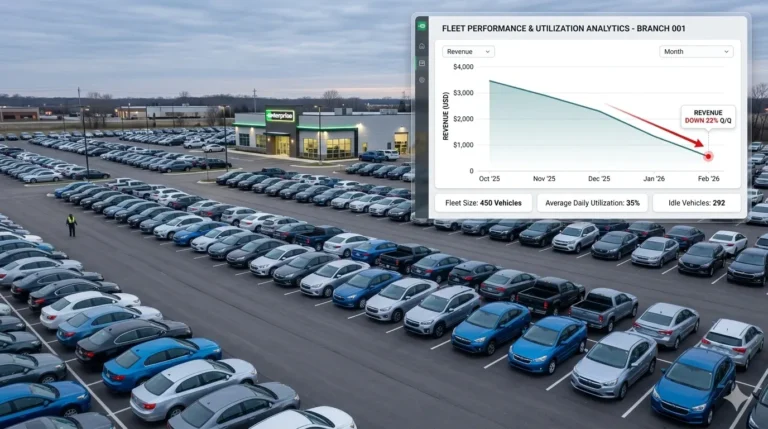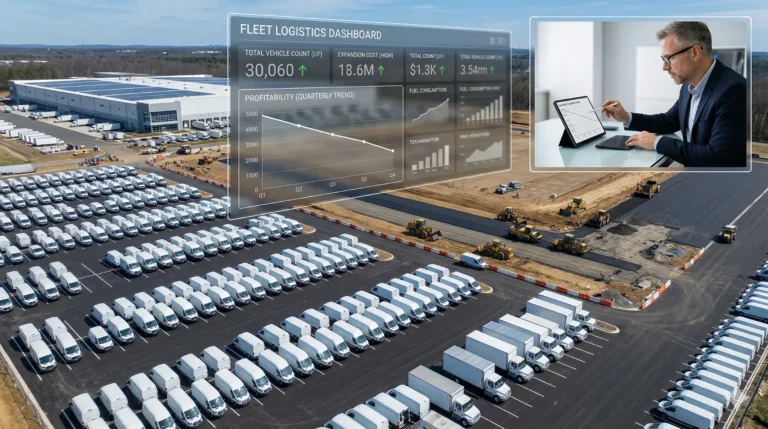

Delayed accident recovery impacts fleet profitability more than most rental companies realize. Every hour a damaged vehicle remains unrecovered, revenue stops while costs continue. While many fleet leaders treat recovery as a logistical footnote, it is a critical operational lever—one with direct financial implications. Ignoring the true cost and complexity of recovery delays can quietly erode margins and hamper fleet efficiency.
Downtime Multiplies Faster Than Expected
When an accident sidelines a vehicle, the revenue clock halts instantly. Idle vehicles generate zero revenue, yet their costs—depreciation, lease payments, insurance, and opportunity expense—persist. Moreover, allocating a replacement vehicle diminishes the available rental pool, constraining the ability to maximize fleet utilization.
Consequently, customer satisfaction risks rise. Lengthy delays can cascade into missed reservations, last-minute cancellations, and negative feedback, all of which tarnish brand reputation. Dispatch disruption spreads as operations teams scramble to rebalance fleet inventory, inevitably impacting wider scheduling and availability.
Notably, recovery delay extends total downtime far beyond the moment of towing. Each lag—from incident to recovery—prolongs the period during which the vehicle is non-operational, multiplying both direct and indirect costs.
Traffic & Coordination Gaps
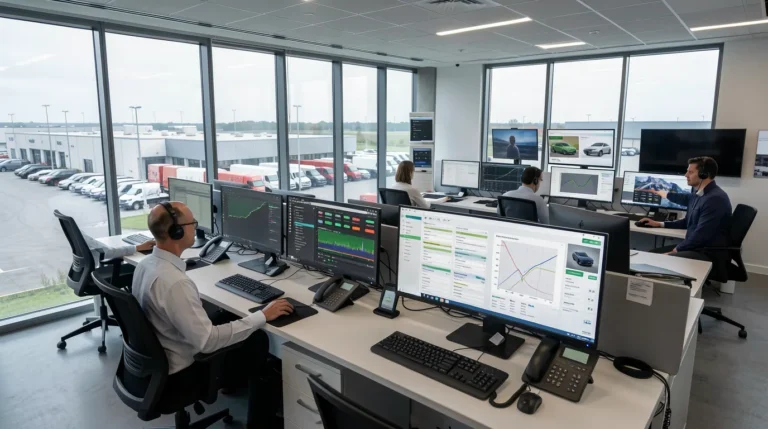
The absence of real-time recovery dispatch is a recurring pain point. Without instant notification and task allocation, recovery teams often operate reactively. Driver allocation confusion further compounds delays, as uncertainty around who should be dispatched leads to wasted minutes or hours.
Poor location tracking exacerbates the issue. If fleet managers lack accurate, real-time knowledge of a vehicle’s post-accident location, recovery attempts become inefficient. Moreover, delayed urgency classification—where minor and major accidents are not quickly triaged—means critical incidents may not receive prompt attention.
Ultimately, a lack of centralized traffic control leads to increased recovery time. Silos between dispatch, operations, and recovery vendors result in valuable data being lost or duplicated, leading to further delays throughout the recovery chain.
Workshop & Insurance Delay Chain
Recovery delay is only the beginning. Once a damaged vehicle arrives at the workshop, late check-in can add hours—or days—to the repair timeline. Quotation approval delays often follow, as workshop teams and fleet managers exchange emails and calls to confirm repair scope and cost.
Insurance documentation gaps are another bottleneck. Without timely, accurate paperwork, claim processing stalls. Furthermore, if the repair stage is not tracked in real time, progress updates become sporadic, making it difficult to forecast vehicle return dates.
Therefore, every delay in the recovery phase compounds the downstream workshop and insurance delays. The longer a vehicle is unrecovered, the further it falls behind in the repair queue, extending non-revenue days and increasing frustration across teams.
Financial Consequences
The financial impact of delayed accident recovery is substantial. Lost rental days translate directly into lost revenue. Moreover, the cost of emergency replacement allocation—whether through sub-rentals or expedited internal transfers—further erodes profit margins.
Increased repair expense is an often-overlooked consequence. Vehicles that wait longer for recovery may suffer from secondary damage or require more extensive repairs, driving up costs. Unrecovered claim value also looms large; incomplete documentation or missed deadlines can result in insurers rejecting or reducing payouts.
Ultimately, every delay reduces profit per vehicle. Fleet owners and finance managers must therefore position dashboard-level accident cost tracking as a necessity, not a luxury. Granular visibility into each cost center—downtime, repair, replacement, and claims—enables data-driven decisions that protect profitability.
The Structured Accident Recovery Model
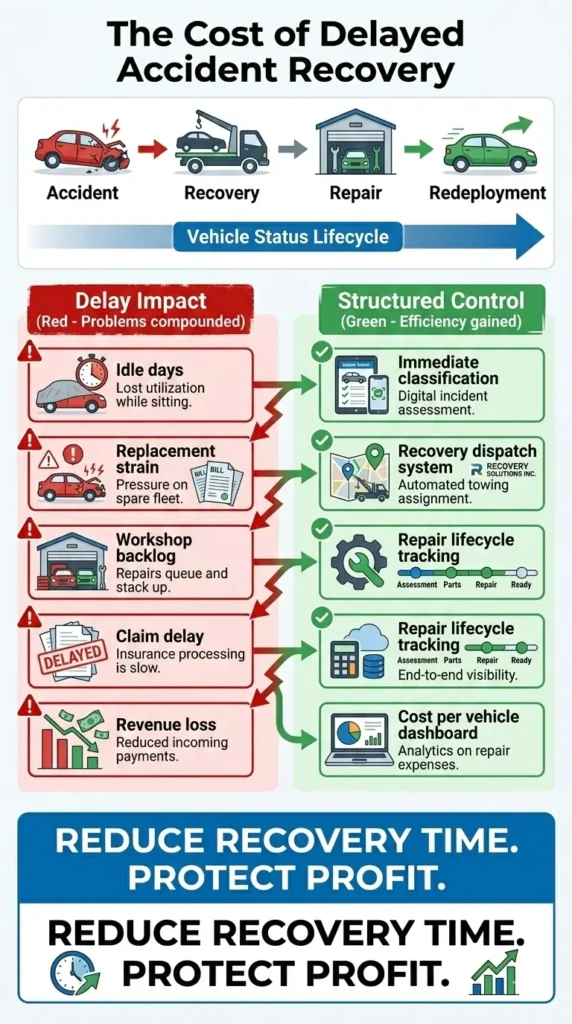
To counteract these challenges, leading rental fleets are adopting a structured accident recovery model. The workflow is as follows:
Accident Report → Urgency Classification → Recovery Dispatch → Workshop Intake → Cost Logging → Dashboard Sync.
Automation is the linchpin of this approach. Automated notification and dispatch systems ensure immediate response, while digital urgency classification prioritizes high-impact incidents. Integrated workshop intake and cost logging streamline approvals and documentation, reducing administrative overhead.
Moreover, synchronizing this data with a central dashboard provides real-time visibility into recovery metrics and financial impact. Therefore, automation not only reduces downtime but also safeguards revenue and operational efficiency.
FAQ: Delayed Accident Recovery & Fleet Profitability
Delayed recovery increases non-revenue days, drives up replacement and repair costs, and can lead to lost or reduced insurance claims. The longer a vehicle is out of rotation, the greater the cumulative financial loss.
The number varies by fleet and process efficiency, but delays in recovery, workshop intake, and repairs can result in 3–10 lost rental days per incident—sometimes more if insurance issues arise.
Common causes include lack of real-time incident reporting, unclear driver allocation, poor location tracking, and inadequate urgency classification. Disconnected systems and manual processes amplify these delays.
Incomplete or late documentation may lead to claim denials, reduced payouts, or extended settlement periods. Accurate, timely paperwork is essential to recover full claim value.
Yes. Automation streamlines notifications, dispatch, urgency classification, and documentation, enabling faster recovery and repair cycles. Integrated systems reduce human error and administrative lag.

Conclusion
Accidents are inevitable. Extended downtime is not. Ultimately, the profitability and operational resilience of a rental fleet depend on how efficiently and proactively accident recovery is managed. Delayed recovery not only stalls revenue but erodes customer trust, increases operational complexity, and amplifies costs across multiple departments.
Shorten recovery time, protect revenue. In today’s competitive landscape, every moment matters—and so does every decision.