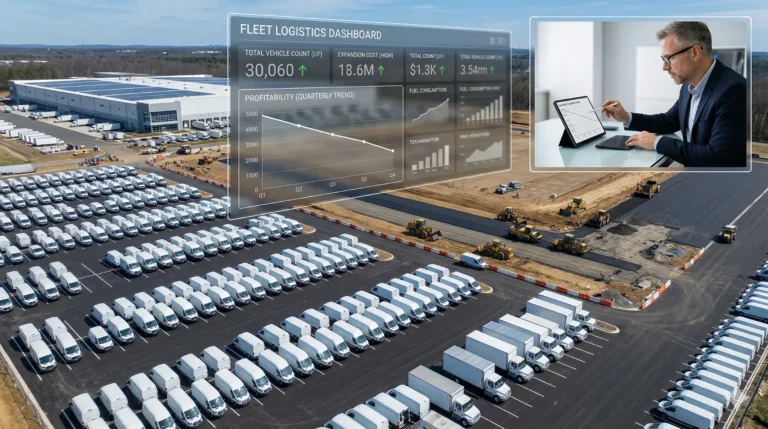
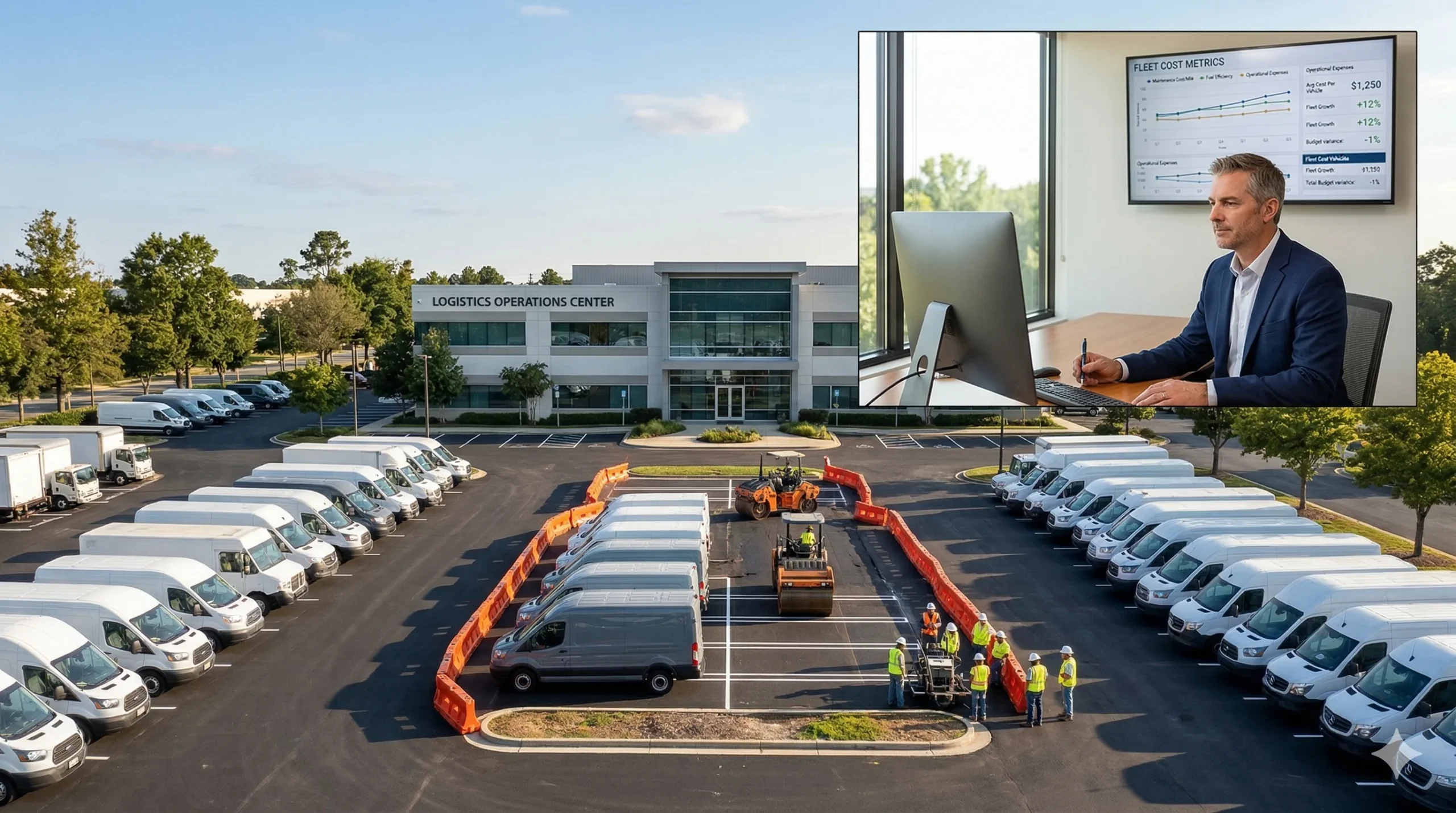
Scaling fleet size without increasing overhead requires structural redesign, not headcount expansion. As fleet size grows, coordination density rises; however, without centralized control, administrative costs multiply faster than revenue. For executives and operational leaders, the imperative is clear: growth must decouple asset count from operating expense. Only through systematic transformation can organizations achieve true operational leverage.
Why Overhead Expands During Fleet Growth
At first glance, adding vehicles appears to be a simple multiplication exercise. However, each new asset introduces exponential complexity across several fronts:
Increased Dispatch Workload: Every vehicle added increases the number of daily assignments and routing decisions. With manual dispatch, each new asset compounds the administrative burden, requiring more staff or longer hours to manage allocation.
Service Scheduling Volume: More vehicles mean more maintenance events, inspections, and compliance tasks. Manual systems force teams to chase dates and paperwork, often resulting in overtime expansion and scheduling conflicts.
Replacement Coordination: As fleets scale, so does the need for timely replacements. Without a structured planning process, operators scramble to react to breakdowns and aging vehicles, driving up costs and risking missed revenue opportunities.
Administrative Reconciliation: Billing, payroll for drivers and maintenance staff, and vendor invoices all require reconciliation. Each additional vehicle generates more data points, which, when managed manually, causes administrative cost growth to outpace revenue.
Escalation Management: Larger fleets encounter more exceptions—breakdowns, accidents, and customer complaints. Escalation management, if not streamlined, overwhelms teams and leads to coordination overload.
Thus, manual systems create a nearly linear cost growth per vehicle, eroding margins and stretching management bandwidth thin. The key to sustainable expansion is breaking this link.
Decoupling Fleet Size from Administrative Headcount
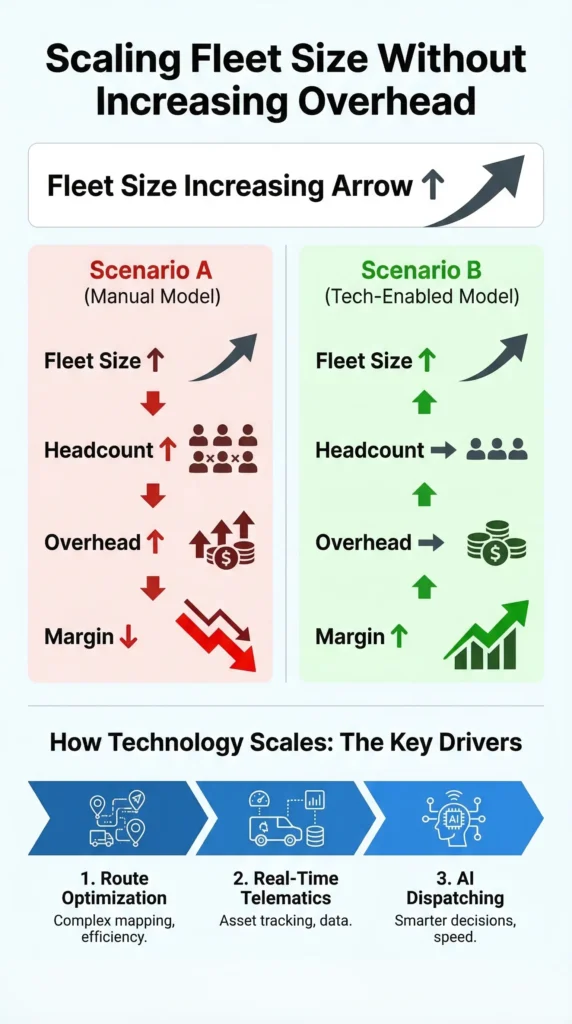
To counteract overhead multiplication, operational leaders must separate asset growth from human resource growth. Relying solely on hiring is not sustainable; instead, system design must become the primary stabilizer of overhead.
Automation vs. Hiring: Automating repetitive tasks—such as dispatch notifications, maintenance alerts, and invoicing—enables existing staff to manage more assets without overtime expansion. For example, automated service reminders reduce the need for manual tracking, freeing up administrative capacity.
Workflow Standardization: Standard operating procedures embedded in digital platforms ensure a uniform approach to intake, allocation, and maintenance. This reduces training time and minimizes errors, preventing costly escalations.
Routing Logic: Intelligent routing algorithms optimize vehicle assignments, minimizing both idle time and unnecessary mileage. As a result, fewer staff are required to manage daily operations, even as the fleet grows.
Conflict Alerts: Automated detection of scheduling conflicts and duplicate bookings allows for proactive resolution, reducing coordination overload and administrative friction.
SLA Automation: Service Level Agreement (SLA) compliance can be monitored and enforced digitally. Automated alerts for approaching deadlines and violations enable preemptive action, lowering the risk of manual oversight.
By transforming workflow design, organizations can insulate overhead from asset count—stabilizing cost structures as scale increases.
Utilization Efficiency as Overhead Protector
Another pivotal lever in overhead control is utilization efficiency. When assets are underutilized, hidden costs accumulate rapidly—forcing emergency measures and driving up administrative intervention.
Idle-Day Detection: Real-time monitoring flags vehicles that remain inactive beyond preset thresholds. Addressing idle assets quickly prevents revenue leakage and compresses downtime.
Real-Time Allocation: Dynamic traffic allocation systems respond instantly to demand fluctuations, assigning vehicles where they generate the most value. This reduces manual work and optimizes asset spread.
Replacement Forecasting: Predictive analytics identify vehicles approaching end-of-life, enabling timely replacements and avoiding last-minute scrambles that require overtime or temporary staffing.
Downtime Compression: Automated scheduling and workshop coordination reduce repair and service turnaround times. By compressing downtime, fleets maintain higher utilization rates, which shields overhead from unpredictable spikes.
Stable utilization not only protects margins but also prevents administrative emergencies that drive up costs during periods of rapid growth.
Financial Visibility Controls Cost Per Vehicle
While operational density reduces friction, financial transparency cements cost control. Without precise visibility into per-vehicle economics, hidden inefficiencies erode margins.
Cost Per Repair Cycle: Tracking every repair’s true cost—parts, labor, vendor charges—enables comparison across assets and identification of outliers. This data informs replacement planning and prevents recurring overspend.
Replacement Cost Ratio: Comparing asset replacement costs to ongoing maintenance spend highlights when it’s financially prudent to retire aging vehicles.
Revenue Per Vehicle: Granular revenue tracking at the asset level allows for immediate identification of underperformers and informs traffic allocation logic.
Margin Per Asset: Real-time margin analysis, factoring in both fixed and variable costs, identifies which vehicles are truly profitable and which are draining resources.
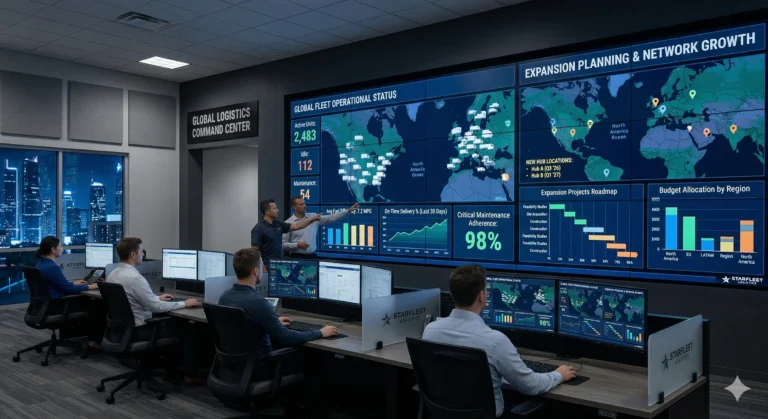
Daily Profitability Dashboards: Unified dashboards aggregate these KPIs, giving executives the power to act decisively. Sudden shifts in cost or utilization trigger investigation before margins are compromised.
Measurable overhead control is only possible when financial data is integrated and accessible in real time.
Centralized Architecture Enables Scalable Growth
To synthesize these strategies, leading operators deploy an integrated, centralized system that orchestrates the entire fleet lifecycle:
1. Automated Intake
Every new vehicle is onboarded through a digital intake process, capturing specifications, compliance documentation, and initial assignments. This eliminates redundancy and ensures immediate availability in the allocation pool.
2. Live Allocation
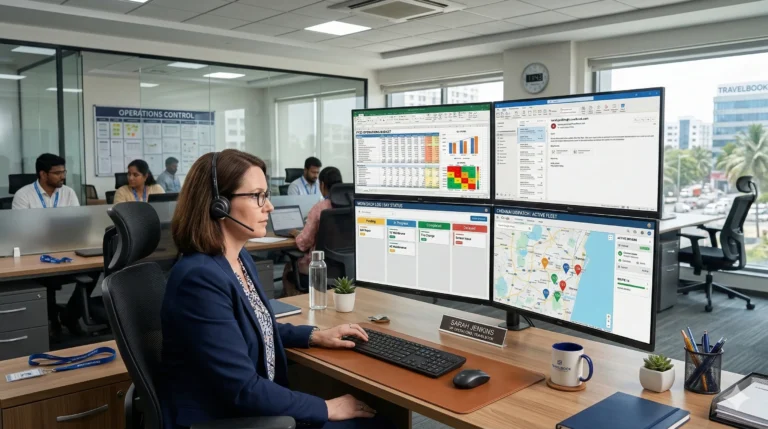
Centralized traffic allocation tools assign vehicles in real time, based on availability, location, and demand. Automated logic replaces manual decision-making, preventing allocation bottlenecks.
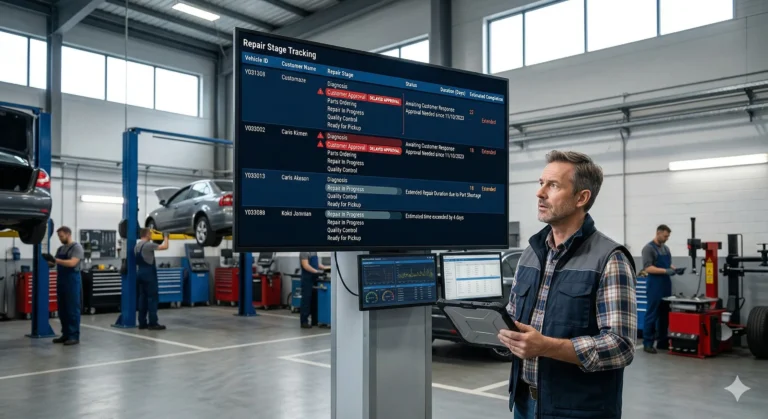
3. Workshop Tracking
Maintenance and repair workflows are digitized, with real-time updates on status, parts usage, and technician assignments. This compresses cycle times and provides operational leaders with full visibility.
4. Replacement Forecasting
Predictive analytics continuously assess vehicle health and utilization, signaling when replacements are needed well before failures occur. This proactive approach eliminates emergency procurement and overtime.
5. Real-Time Cost Logging
Every financial event—fuel, maintenance, tolls, and more—is logged automatically, feeding into asset-level P&L statements. This transparency supports margin preservation and eliminates reconciliation backlogs.
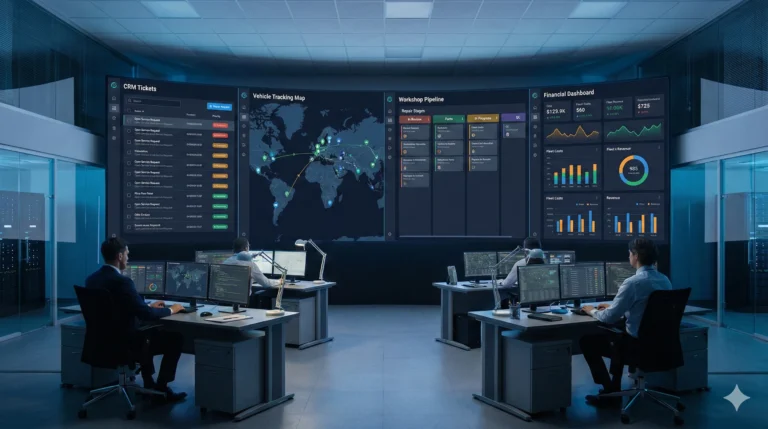
6. Unified Dashboard
A single dashboard aggregates operational and financial data, providing executives with instant insight into utilization, cost per vehicle, and overall margin. Centralized control prevents headcount explosion while enabling data-driven growth.
Through this structured system, scaling becomes a function of process—not people—ensuring that overhead remains stable even as the fleet expands.
FAQ
Overhead grows because each new vehicle introduces additional dispatch, maintenance, and administrative tasks. Without systemization, these tasks require more staff, overtime, and complex coordination, leading to escalating costs.
By automating repetitive tasks, standardizing workflows, and centralizing control, existing teams can manage more vehicles without increasing headcount. The right systems handle complexity, freeing staff for high-impact work.
Centralized platforms that automate dispatch, maintenance scheduling, cost tracking, and reporting dramatically reduce manual workload. Conflict alerts and SLA automation prevent emergencies that typically require additional staff.
Automation eliminates manual errors, compresses downtime, and ensures consistent SLA compliance. This stability prevents cost spikes and preserves margins during periods of growth.
Key indicators include cost per vehicle, administrative hours per asset, downtime per vehicle, and margin per asset. Unified dashboards should monitor these metrics in real time.
Conclusion
Scaling fleet size without increasing overhead requires structural discipline. Companies that automate coordination and centralize visibility decouple growth from administrative cost. Design for efficiency. Then scale.