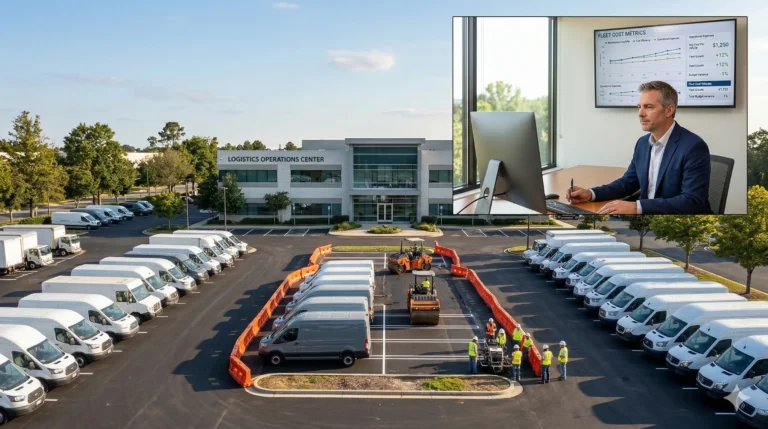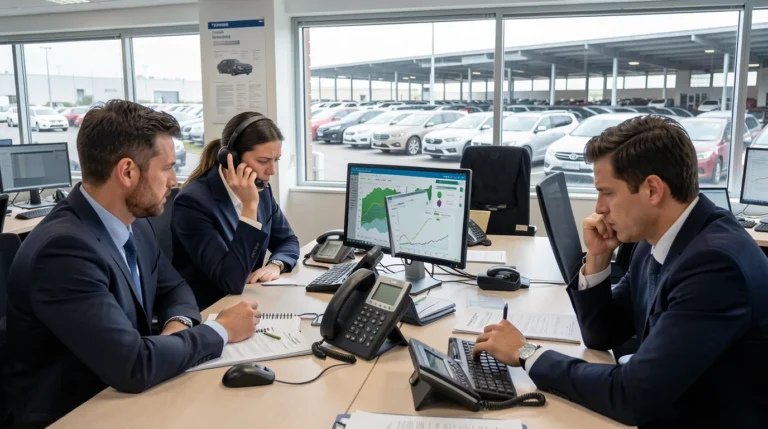
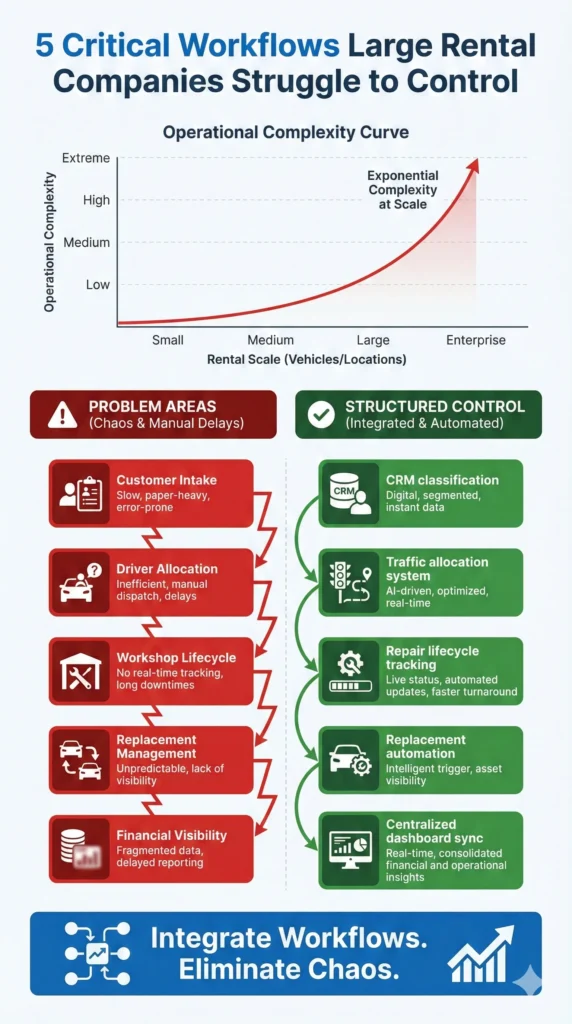
As rental fleets grow, operational complexity increases faster than vehicle count. The real challenge is not managing cars — it is controlling workflows. While modern rental businesses often invest in more vehicles, success or failure is ultimately dictated by their ability to streamline and synchronize core operational processes. Notably, there are five workflows that consistently break at scale, causing operational drag, customer dissatisfaction, and lost revenue.
1. Customer Intake & Classification Workflow
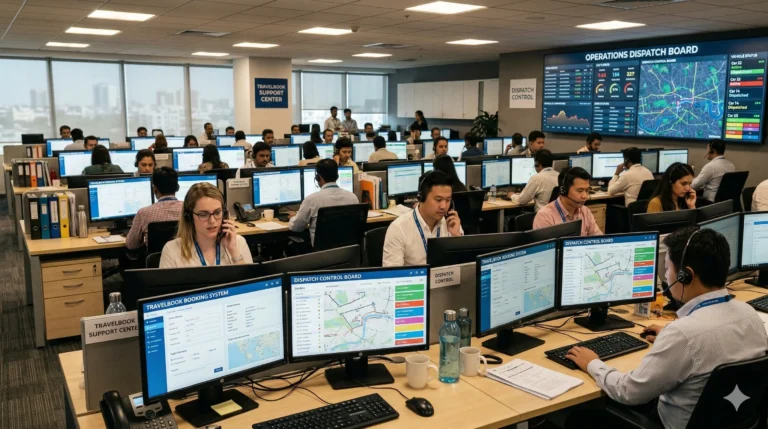
In a large rental operation, customer intake is no longer a simple front-desk activity. Instead, it sprawls across multiple channels — phone calls, WhatsApp messages, emails, and in-app chats. Consequently, messages arrive simultaneously from a variety of sources, each demanding attention. However, without a structured intake and classification system, chaos quickly follows.
Urgent requests (such as accident reports or breakdowns) are often buried under routine queries, leading to confusion and delayed response. Manual triage by staff frequently results in subjective prioritization, inconsistent escalation, and operational bottlenecks. Moreover, as the volume grows, so does the risk of missed or mishandled requests. Escalation loops — where issues bounce between departments — become more common, further slowing resolution.
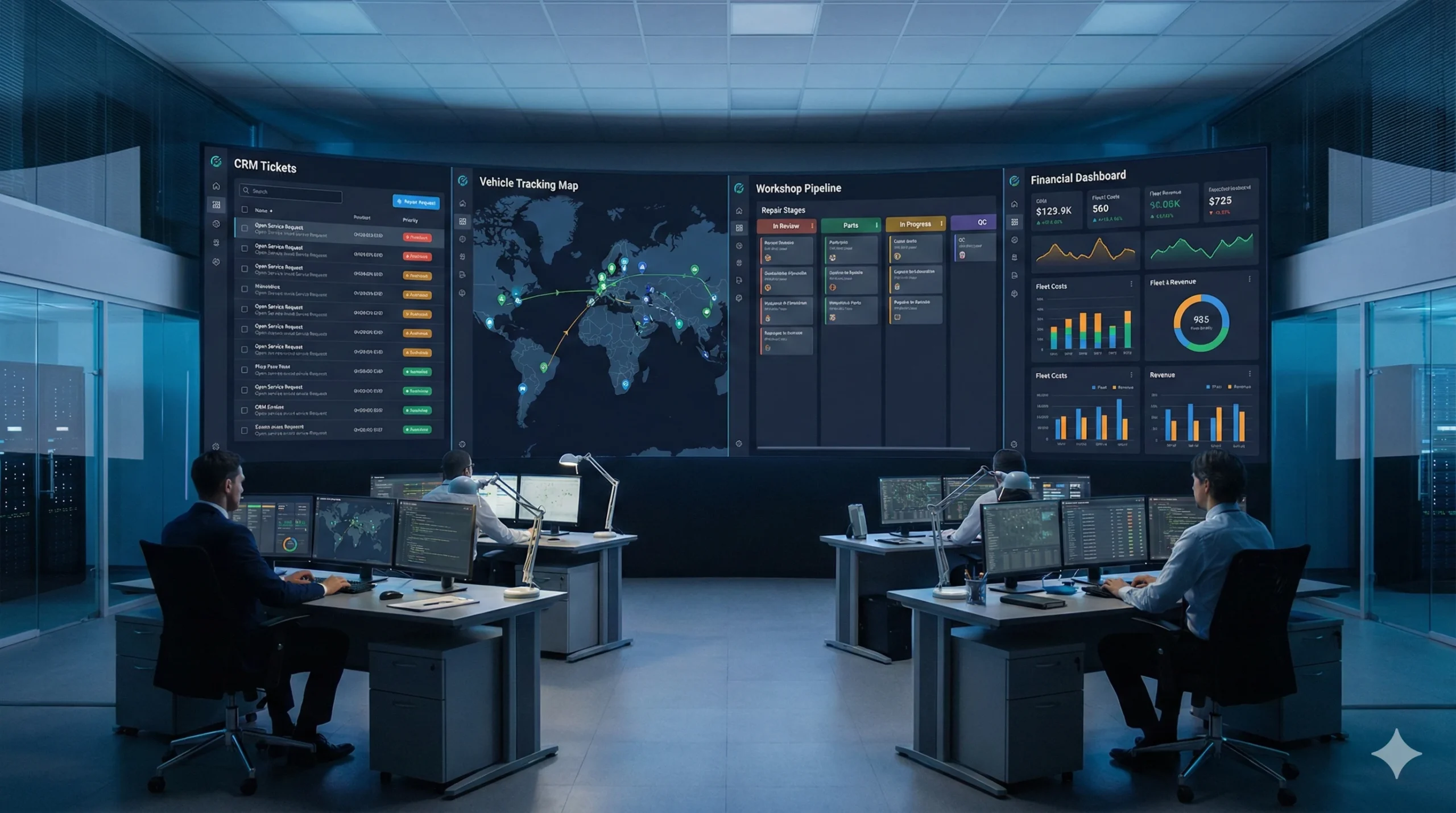
Therefore, implementing structured intake classification and urgency-based routing is critical. By leveraging automated ticketing and clear urgency tags, fleet operators can ensure that emergencies are swiftly identified and routed to the right teams, while routine requests are systematically processed in the background. Ultimately, this minimizes response time, enhances customer satisfaction, and reduces operational errors.
2. Traffic & Driver Allocation Workflow
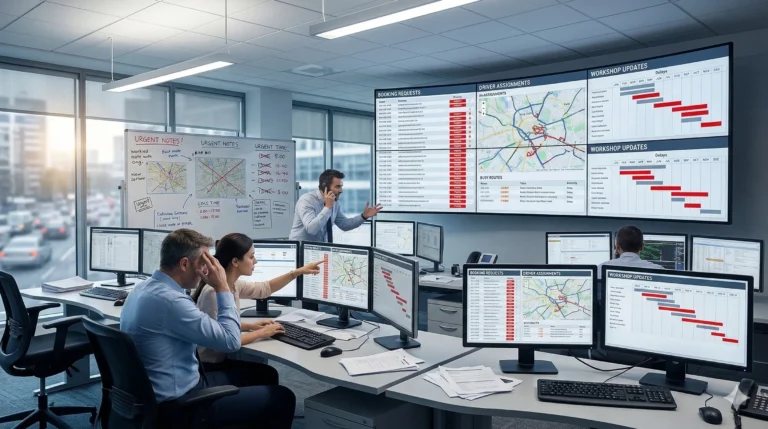
As fleets expand, so does the complexity of traffic and driver allocation. Double vehicle assignments — where multiple drivers are inadvertently assigned to the same asset — become a recurring issue. Likewise, replacement vehicle misallocations can result in a shortage of vehicles for critical tasks, while some cars sit idle.
Driver dispatch delays often arise from outdated or manual scheduling processes. Without real-time movement tracking, fleet managers are left guessing about vehicle location and driver status. Consequently, on-ground confusion increases, leading to longer wait times for customers and inefficient driver utilization.
To regain control, large rental companies must invest in centralized traffic dashboards and allocation systems. These platforms provide live visibility into fleet assets and driver status, enabling dispatchers to allocate resources dynamically based on current demand and location. Notably, this real-time approach not only reduces double bookings and misallocations but also maximizes fleet productivity and customer responsiveness.
3. Workshop & Repair Lifecycle Workflow
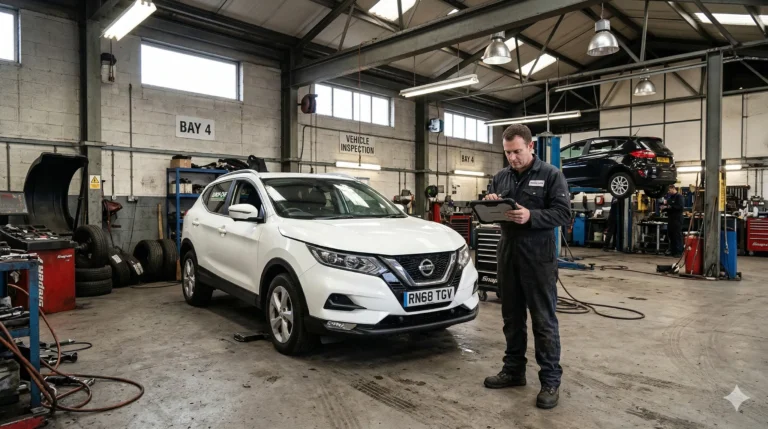
Vehicle downtime is a silent profit killer for large rental companies. The workshop and repair lifecycle is rife with opportunities for delays. Quotation approvals can be slow, often requiring multiple sign-offs. Repair status visibility is frequently limited, leaving operations teams in the dark about when vehicles will be road-ready. Idle vehicles accumulate, and the overall fleet utilization rate suffers.
Moreover, the uncertainty around estimated ready dates makes it difficult to plan for replacements or adjust bookings. The lack of granular, stage-level tracking in workshops leads to communication gaps between maintenance, operations, and customer service teams. Consequently, vehicles spend more time off the road, directly impacting revenue.
By implementing workshop stage tracking systems, companies can gain full visibility into each step of the repair process. Automated notifications, digital approvals, and transparent status updates ensure that everyone — from mechanics to managers — remains aligned. Ultimately, this coordination prevents unnecessary downtime and keeps the fleet moving.
4. Replacement Vehicle Workflow
Replacement vehicles are the lifeblood of any rental operation facing accidents, breakdowns, or scheduled maintenance. However, managing replacements at scale is fraught with challenges. Accident-driven demand spikes can outstrip available inventory, while preventive maintenance schedules often overlap, creating unforeseen shortages.
Critically, many rental companies lack an automated replacement trigger — an integrated system that automatically recommends or dispatches a replacement vehicle when a car goes out of service. Instead, manual coordination leads to delays, customer frustration, and even lost business. Geographic imbalances can further complicate matters, with too many replacements in one region and shortages in another.
To solve this, replacement management must be tightly synchronized with intake, traffic, and workshop workflows. A connected system ensures that replacement needs are identified as soon as an incident or maintenance is logged, and that vehicles are allocated efficiently based on real-time availability and geographic demand. Consequently, customers experience seamless service, and the business maintains operational stability.
5. Financial & Profit Visibility Workflow
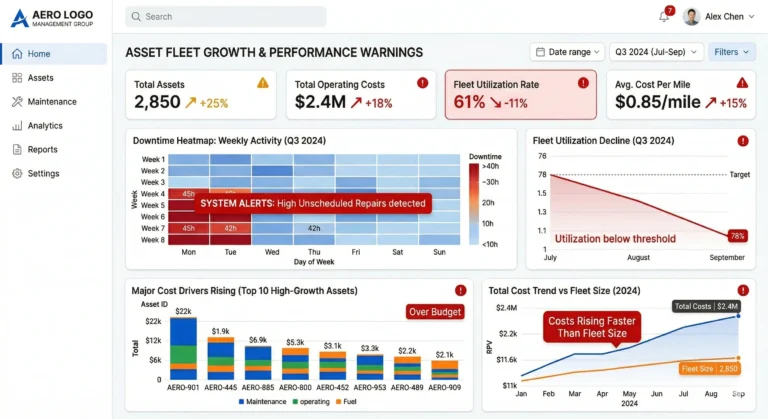
Operational scale amplifies financial complexity. Fuel and toll claims increase exponentially, and driver incentive programs become harder to manage. Per-vehicle profitability becomes opaque as costs and revenues are spread across hundreds or thousands of assets. Delayed financial approvals, whether for repairs, claims, or incentives, create bottlenecks that ripple through the entire operation.
Without dashboard-level financial visibility, decision-makers are forced to rely on outdated reports and manual reconciliations. This lack of transparency makes it difficult to identify underperforming vehicles, assess the true cost of operations, or optimize pricing and incentive structures. Moreover, delayed approvals can stall critical repairs or leave drivers demotivated, ultimately affecting service quality and profitability.
Implementing real-time financial dashboards stabilizes operations by providing executives and operations heads with the insights needed to make proactive decisions. With granular, per-vehicle and per-driver analytics, leaders can quickly spot anomalies, approve expenses, and adjust strategies before minor issues become major problems.
Frequently Asked Questions
As rental operations scale, manual processes and fragmented systems fail to keep pace with the complexity and volume of tasks. Without automation and integrated workflows, bottlenecks and errors multiply, undermining efficiency and profitability.
Customer intake and classification typically break down first, as the surge in multi-channel requests overwhelms manual triage and routing, leading to missed or delayed responses.
Structured intake classification ensures urgent issues are prioritized and routed correctly, minimizing delays and preventing escalation loops that can disrupt the entire operation.
With more vehicles and drivers, manual allocation leads to errors such as double assignments, inefficient dispatching, and poor utilization. Real-time dashboards and automated systems are essential to maintain control.
Every day a vehicle spends idle in the workshop is a day it is not generating revenue. Delays caused by slow approvals and poor visibility can significantly reduce fleet utilization and profitability.
Conclusion
Large rental companies do not fail because they grow. They fail because workflows become fragmented. When processes are siloed and coordination breaks down, scale exposes hidden weaknesses and magnifies every inefficiency.
Control the five workflows — and growth becomes predictable. By investing in structured intake, centralized traffic management, workshop transparency, synchronized replacement processes, and real-time financial visibility, leaders can transform operational chaos into competitive advantage.