Introduction
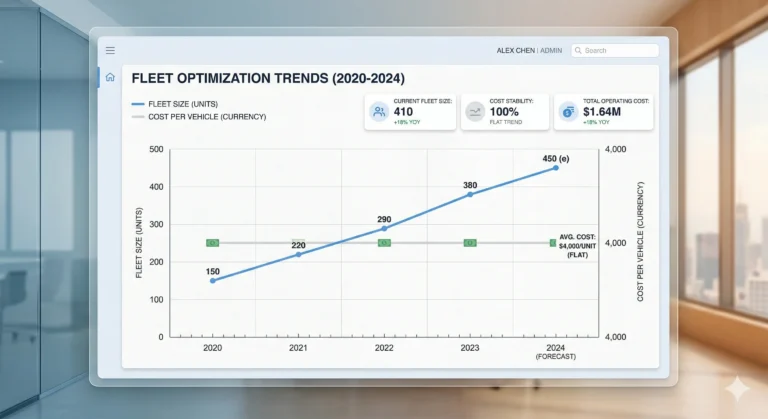
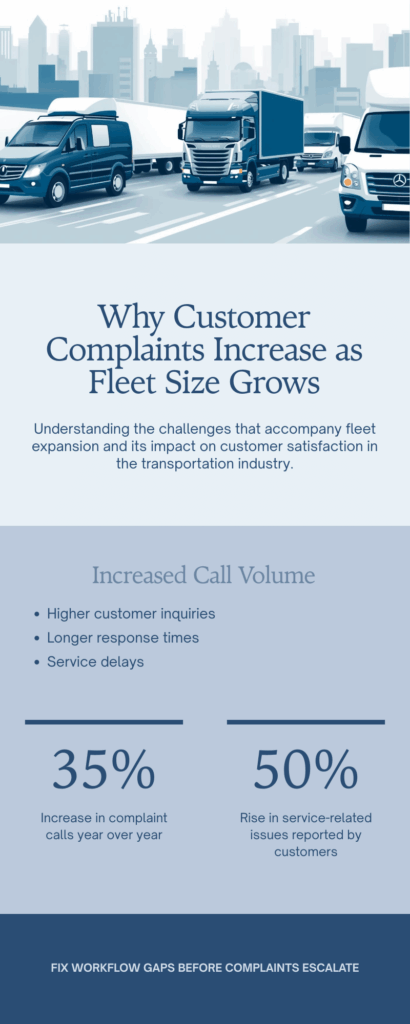
As car rental businesses expand, the surge in customer complaints is neither random nor mysterious. Instead, it is a predictable outcome of scaling operations. For fleet owners and executives managing 150 to 500+ vehicles, understanding the cause-and-effect dynamics behind rising complaints is essential. As fleet size grows, so does communication density, the number of operational dependencies, and the complexity of response mechanisms. These factors converge to influence the customer experience in measurable ways. Ultimately, complaints are not the result of more difficult customers, but the byproduct of strained systems and workflows.
Why Complaints Rise as Fleet Size Grows
Slower Response Times
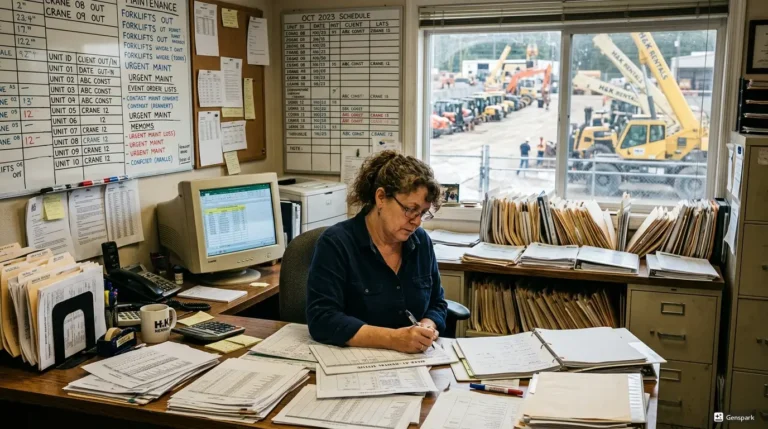
With every vehicle added to a fleet, the volume of potential inbound customer interactions rises. Consequently, manual intake systems become quickly overwhelmed, making it nearly impossible to prioritize urgent issues efficiently. Recovery cases—such as breakdowns or accident support—often face delays, compounding customer frustration. The absence of a structured customer classification and routing system results in non-urgent issues clogging the pipeline, while critical cases wait in queue. Therefore, as the fleet grows, response times lag, and complaints mount as a direct result.
Driver Allocation Confusion
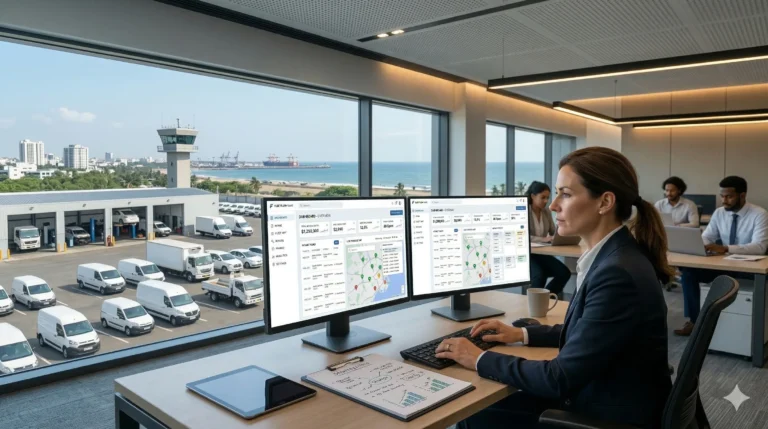
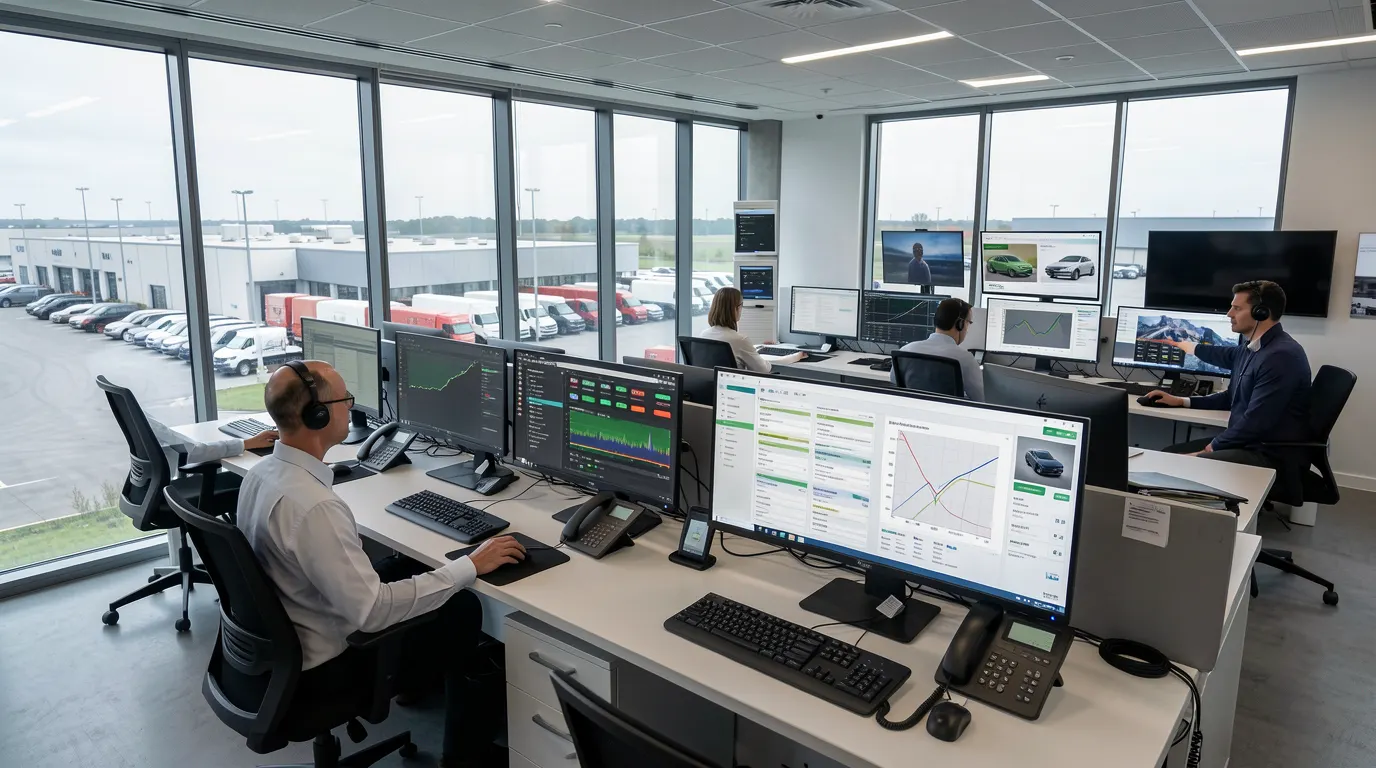
A larger fleet requires more drivers and more dynamic allocation. However, without real-time traffic dashboards and systematic job assignment protocols, confusion ensues. Pickup delays, replacement vehicle mismatches, and incorrect job assignments become increasingly common. In contrast, when operations lack automated allocation tools, the resulting friction escalates customer dissatisfaction. Implementing traffic dashboards and real-time allocation systems can significantly reduce these points of confusion, streamlining the customer experience.
Workshop Delays Increase Downtime
As the number of vehicles increases, so does the volume of required maintenance and repair. Approval workflows for repairs often become bottlenecks, causing longer idle periods for vehicles. Consequently, customers endure longer waits for replacement vehicles or repaired assets. Manual tracking of repair status and vehicle lifecycle only compounds this issue, as visibility into workshop operations decreases with scale. By introducing lifecycle tracking systems, fleet managers can minimize downtime and reduce complaint frequency related to repair delays.
Communication Fragmentation
When communication channels proliferate—calls, WhatsApp, email, SMS—customer history becomes fragmented across platforms. Without a centralized CRM, staff often lack a unified view of each customer’s journey. Notably, this leads to repeated explanations, lost context, and customer frustration. The absence of an integrated workflow causes critical information to slip through the cracks, making it difficult to deliver consistent service. Adopting a CRM-based workflow consolidates communications, ensuring that every interaction builds upon a complete, accessible customer history.
Financial Disputes Multiply
As fleet operations grow, so does the frequency of toll, fuel, and damage claims. In the absence of structured reporting, confusion around invoicing and dispute resolution increases. Miscommunications regarding charges, delayed invoices, and unclear documentation trigger customer complaints. Consequently, structured financial reporting and transparent communication protocols are critical to minimizing these disputes and maintaining customer trust.
The Structural Root Cause
The escalation of customer complaints in large fleets is rooted in systemic factors, not individual customer behavior. Specifically, as fleets scale:
- Workflow density increases: More vehicles and customers mean more simultaneous processes and touchpoints.
- Visibility decreases: Manual tracking and siloed systems obscure the operational picture.
- Manual coordination collapses: Reliance on human intervention becomes unsustainable as the number of variables grows.
- Communication lacks routing logic: Without automated triage and prioritization, critical issues are lost in the noise.
Ultimately, customer complaints are lag indicators of systemic stress. They signal that the underlying workflow architecture is no longer sufficient for the operational load.
Preventing Complaint Escalation at Scale
Addressing the root causes of rising complaints requires a structured, scalable architecture. The following system components are essential:
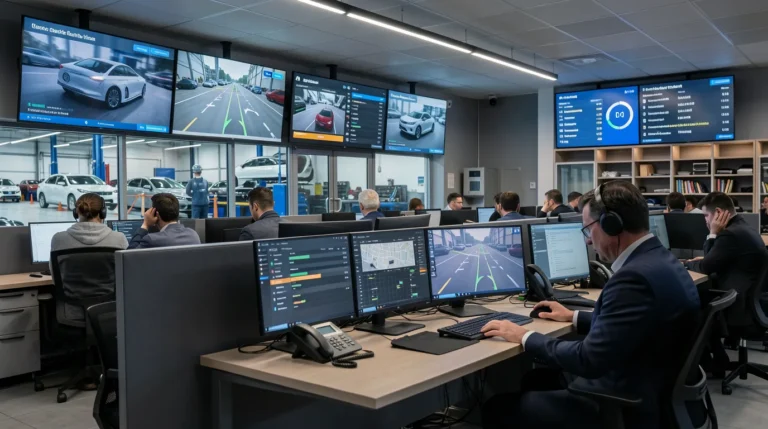
- Centralized customer intake system: Consolidates all communication channels and ensures that every inquiry is logged and tracked.
- Automated urgency classification: Uses pre-defined criteria to triage issues, ensuring that critical cases receive immediate attention.
- Real-time driver allocation: Deploys drivers efficiently based on availability and proximity, reducing delays and mismatches.
- Workshop lifecycle tracking: Monitors every vehicle through its repair and maintenance journey, minimizing downtime and keeping customers informed.
- Driver mobile documentation: Captures and uploads field data—such as photos, signatures, and checklists—directly from the driver’s device, reducing errors and improving accountability.
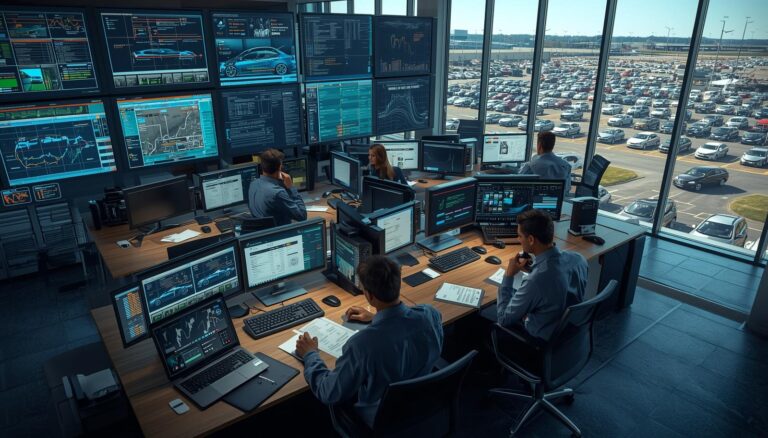
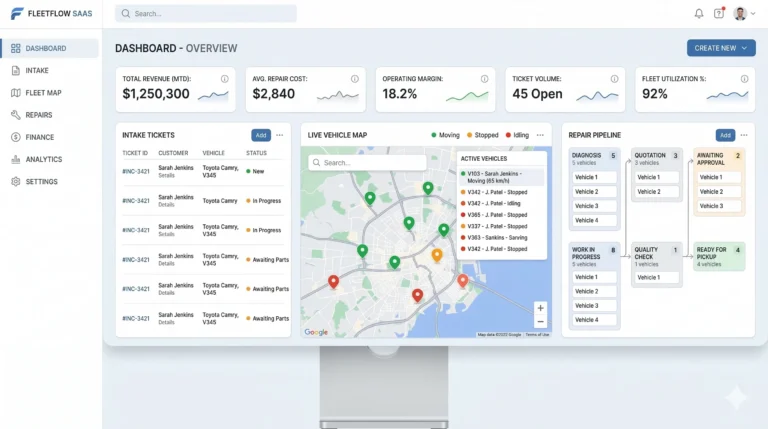
- Executive dashboard reporting: Provides leadership with real-time visibility into complaint trends, operational bottlenecks, and performance metrics.
By implementing these systems, fleet operators can significantly reduce response times, increase transparency, and lower the overall volume of complaints.
FAQ Section
Complaints rise because operational workflows become denser, visibility decreases, and manual coordination fails to keep pace with complexity. Issues that were manageable at smaller scales become systemic as the number of vehicles and customers grows.
Notably, the inflection point often occurs between 150 and 300 vehicles, when manual processes start to break down. However, the exact threshold may vary based on process maturity and system integration.
Automation streamlines communication, prioritizes urgent cases, reduces manual errors, and provides real-time tracking. This results in faster response times, fewer missed issues, and more consistent customer experiences.
While short staffing can exacerbate issues, the primary cause is workflow design. Even well-staffed teams struggle without systems that route, triage, and track customer cases effectively
A CRM centralizes customer data, tracks interactions, and streamlines follow-up. Therefore, customers no longer need to repeat themselves, and staff can deliver faster, more informed service.

Conclusion
Customer complaints are not emotional reactions—they are operational signals. For car rental fleet leaders, these signals highlight the points where workflow architecture is under stress. By reengineering workflows and investing in scalable systems, leaders can address the root causes of complaints—reducing them before they erode brand equity and customer trust.