Fleet growth without cost control destroys profitability because expansion multiplies operational expenses faster than revenue if systems remain weak. In the transportation sector, scaling up magnifies both efficiency and inefficiency—there’s no neutral ground. While additional vehicles and routes can unlock new revenue streams, they can also accelerate cost expansion, revenue leakage, and operational complexity. For fleet owners, COOs, CFOs, and investors, understanding the interplay between growth and cost is essential for safeguarding margins and ensuring sustainable profitability. This article dissects the hidden dangers of unmanaged fleet expansion and presents a financially strategic roadmap for disciplined, profitable growth.
How Growth Multiplies Operational Costs
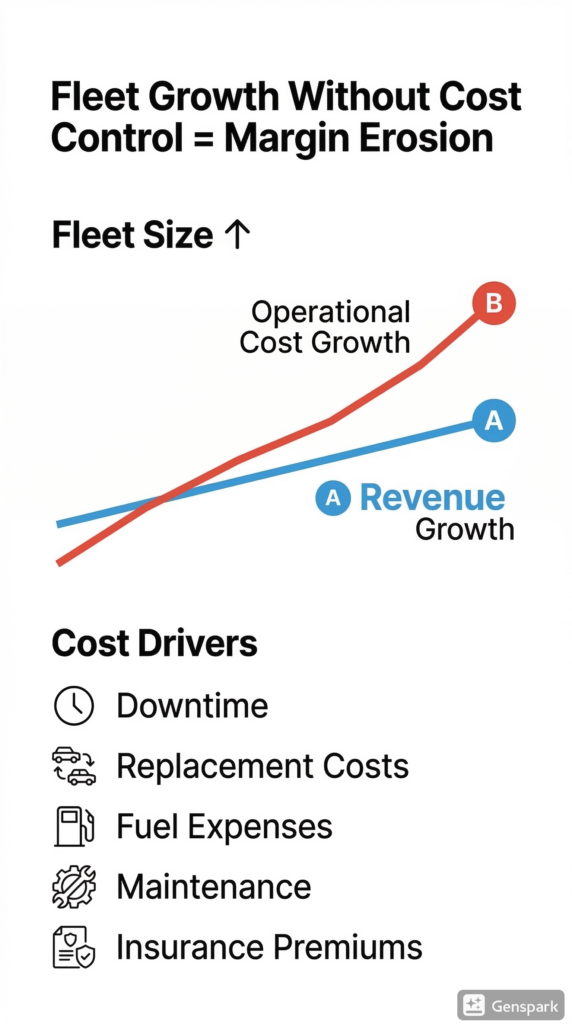
First, consider the direct operational consequences of fleet expansion. As the number of vehicles increases, so does the frequency of dispatch movements. Every new vehicle introduces incremental scheduling, routing, and compliance burdens. Simultaneously, each vehicle adds more service cycles—oil changes, tire rotations, inspections, and repairs—driving maintenance intensity upward.
Moreover, repair frequency escalates with fleet size. Statistically, a larger fleet experiences more breakdowns, warranty claims, and emergency interventions. Replacement expansion becomes inevitable as older vehicles cycle out more frequently, demanding capital outlays and administrative oversight. Additionally, administrative overhead grows disproportionately; each new asset multiplies paperwork, insurance, registration, and regulatory compliance tasks.
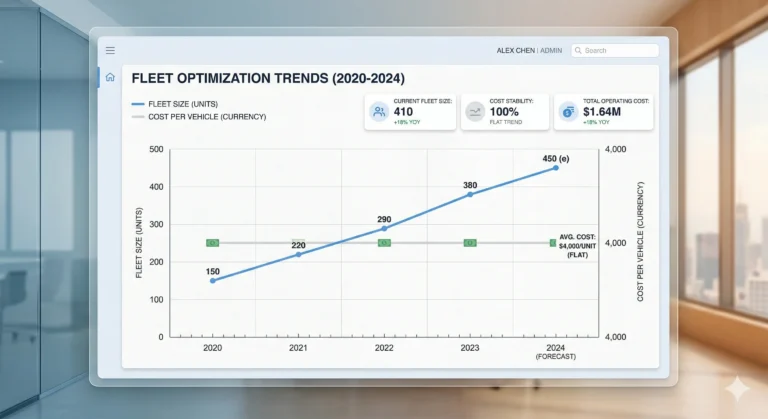
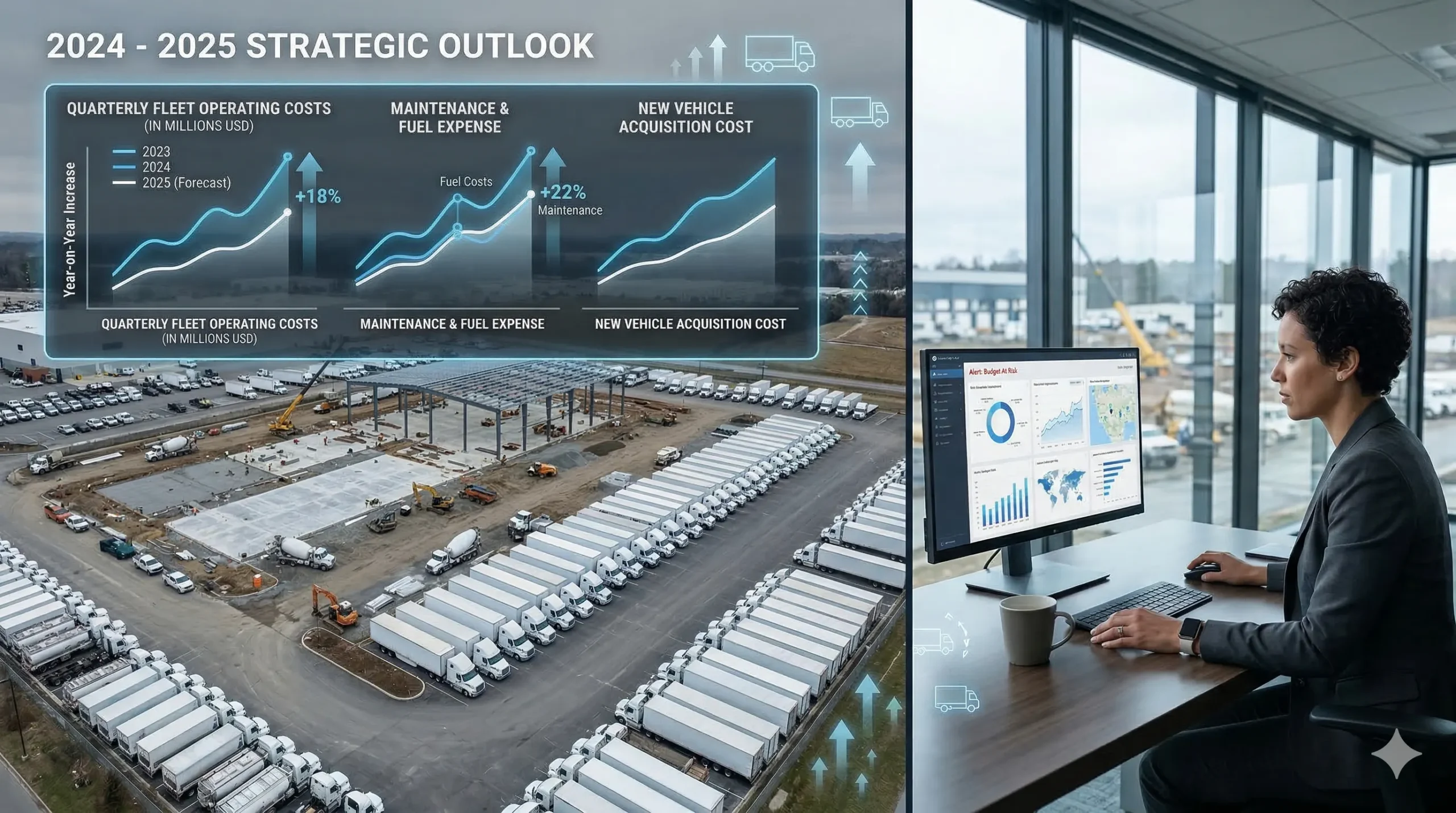
Operational cost density rises rapidly. Even marginal increases in per-vehicle costs, when multiplied by dozens or hundreds of additional assets, can erode profit margins. Expansion without robust cost control transforms what should be a strategic advantage into a source of financial vulnerability.
Revenue Growth vs Cost Growth Imbalance
While revenue may grow linearly with fleet expansion, costs often grow exponentially when coordination remains manual or fragmented. For example, introducing more vehicles typically increases total billings, but it also creates new coordination demands. Without automation, overtime costs for dispatchers, mechanics, and administrators skyrocket as they struggle to keep pace.
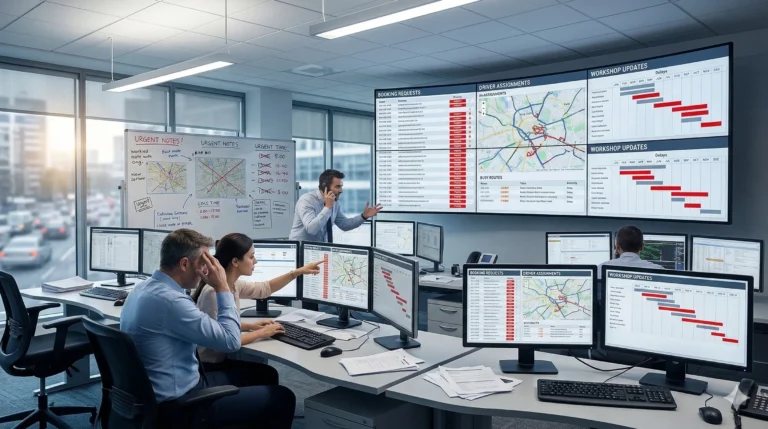
Escalation management becomes complex as more incidents arise, each requiring rapid intervention and decision-making. Idle-day accumulation intensifies: vehicles wait longer for assignments, repairs, or approvals, further inflating non-productive costs. Meanwhile, duplicate work proliferates—multiple teams may independently coordinate the same vehicle, leading to excess labor and wasted resources.
This imbalance between revenue and cost trajectories is the crux of margin erosion. Unless processes scale intelligently, each new asset chips away at profitability instead of enhancing it.
Downtime as a Cost Multiplier
Downtime, already costly in small fleets, becomes a devastating multiplier in larger operations. Repair stage ambiguity—unclear status, missing parts, or delayed approvals—extends vehicle unavailability. Approval lag from management or finance slows the return of assets to service, compounding opportunity costs.
Replacement inefficiency further exacerbates the problem. Poorly timed replacements lead to surplus idle vehicles or critical shortages, both of which disrupt revenue generation. Idle vehicle accumulation is a silent threat: unused assets consume space, insurance, and capital, yet deliver zero return. Each hour of downtime compounds cost and erodes both revenue and reputation.
Hidden Revenue Leakage During Expansion
As fleets expand, revenue leakage accelerates in subtle ways. Double booking occurs when manual systems fail to synchronize schedules, leading to lost opportunities and customer dissatisfaction. Untracked replacement cycles mean vehicles are replaced or retired without full utilization, wasting capital and missing depreciation schedules.
Service overlap—a byproduct of fragmented workflows—results in redundant maintenance or inspections, increasing costs without commensurate benefits. Unmeasured idle time quietly drains profitability; vehicles that sit unused between service cycles or assignments continue to accrue costs, but produce no revenue. Consequently, revenue per vehicle declines, often escaping notice until margins are compromised.
Cost Control Framework Before Scaling
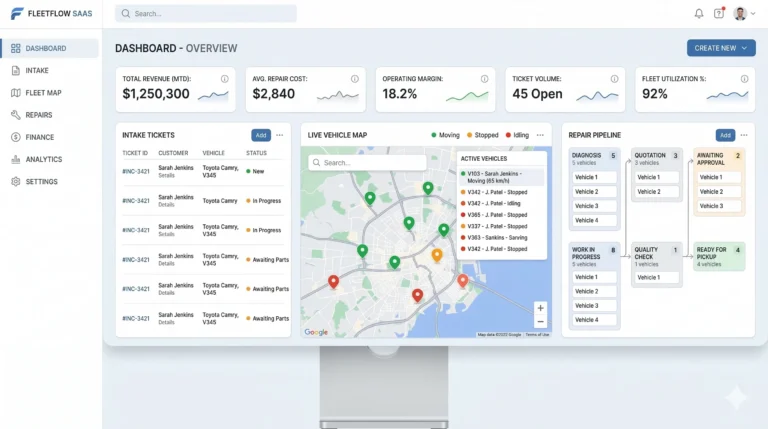
To counteract these risks, implementing a robust cost control framework before scaling is imperative. Automated intake routing ensures new work orders are assigned efficiently, reducing manual intervention and errors. Live allocation visibility allows managers to monitor asset deployment in real time, identifying bottlenecks and optimizing utilization.
Workshop lifecycle tracking delivers granular oversight of each service event, from intake to completion, minimizing stage ambiguity and approval lag. Replacement forecasting, enabled by predictive analytics, aligns capital planning with operational needs, preventing surplus or shortage scenarios.
Real-time cost logging captures every expense as it occurs, providing actionable data for financial decision-making. Finally, a unified profitability dashboard consolidates all operational and financial metrics, empowering leadership to enforce discipline, detect anomalies quickly, and safeguard margins. Centralized control is the cornerstone of sustainable, profitable fleet growth.
Profitability Requires Structural Discipline
Achieving profitability during expansion necessitates rigorous structural discipline. Margin per vehicle tracking ensures that every asset contributes positively to the bottom line. Monitoring cost per repair cycle highlights inefficiencies in maintenance operations, while replacement cost ratio analysis reveals whether capital investments are yielding intended returns.
Utilization analytics identify underused assets, prompting reallocation or divestment decisions. Importantly, growth must follow—not precede—cost visibility. Without comprehensive, real-time insight into every dollar spent and earned, even the most promising expansion pipelines become profit drains.
FAQ: Strategic Cost Control in Fleet Expansion
Every additional vehicle escalates service, compliance, insurance, and administrative demands. Minor inefficiencies, once negligible, compound across the fleet, driving total costs up exponentially.
Lack of oversight allows minor overruns to multiply. As costs rise faster than revenue, margin per vehicle shrinks, undermining overall profitability.
Revenue leakage refers to lost income from unbilled service, double booking, idle assets, and inefficiencies that prevent vehicles from generating maximum return.
Downtime multiplies both direct and indirect costs by keeping revenue-generating assets inactive while still incurring expenses such as insurance, financing, and depreciation.
Cost control frameworks should precede or coincide with expansion. Systems implemented post-growth often struggle to rein in costs already outpacing revenue.
Conclusion
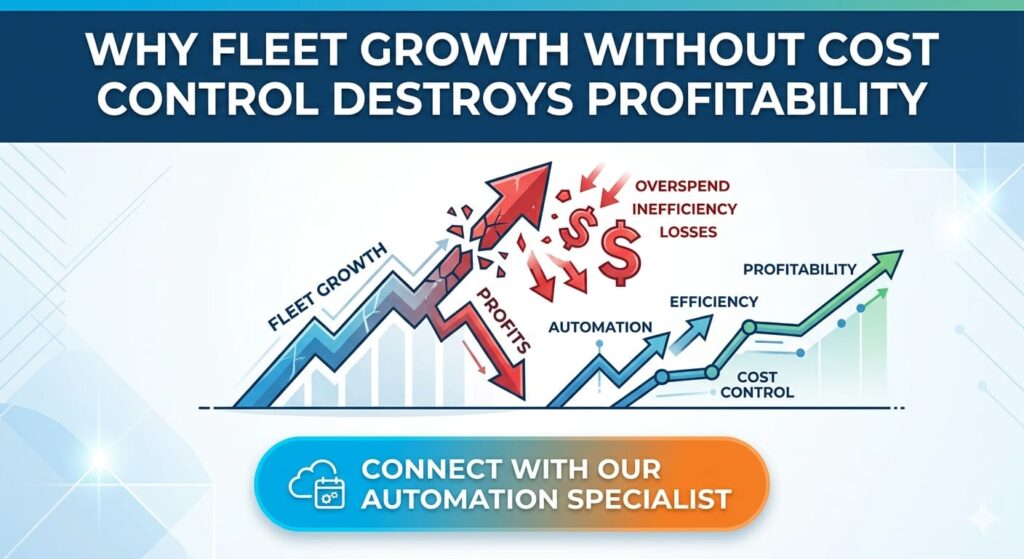
Fleet growth without cost control destroys profitability because expansion amplifies structural weakness. Companies that design cost visibility before scaling protect margin and stabilize revenue per vehicle. Control costs first. Then grow.