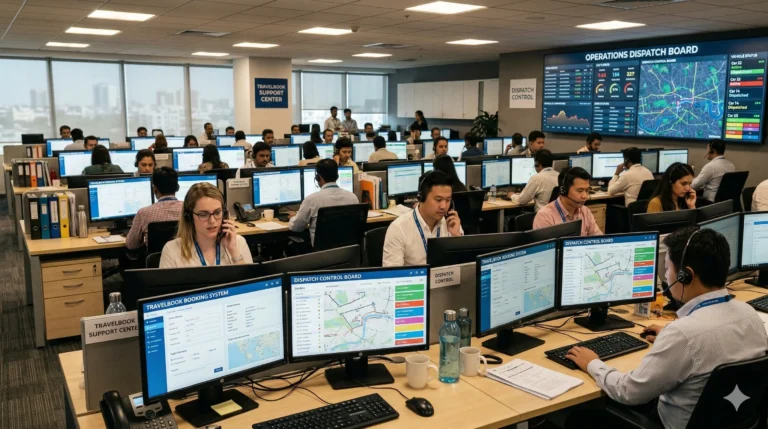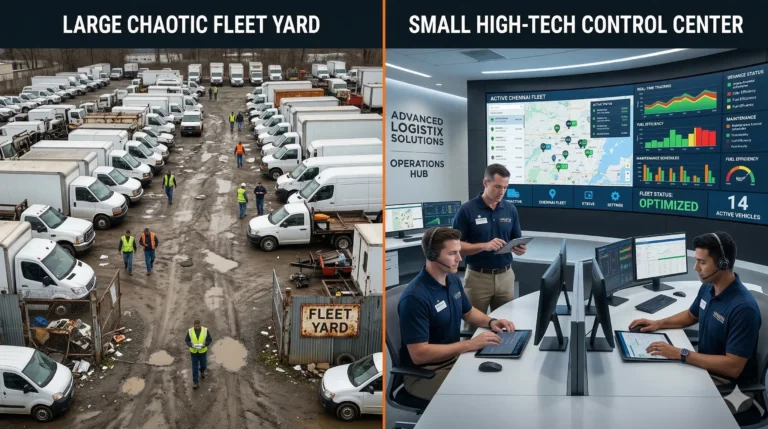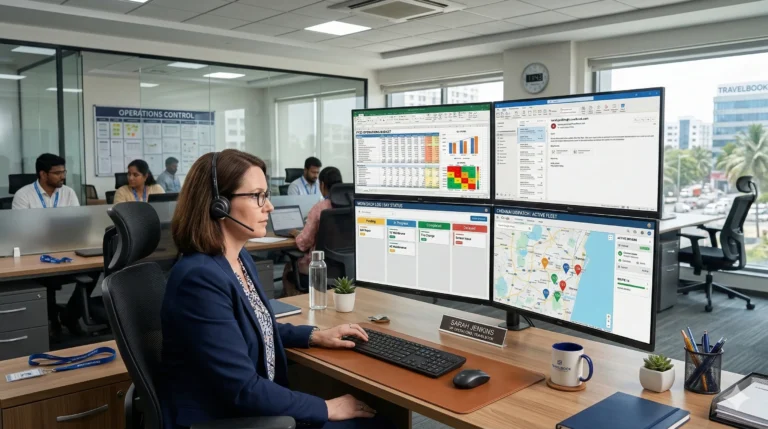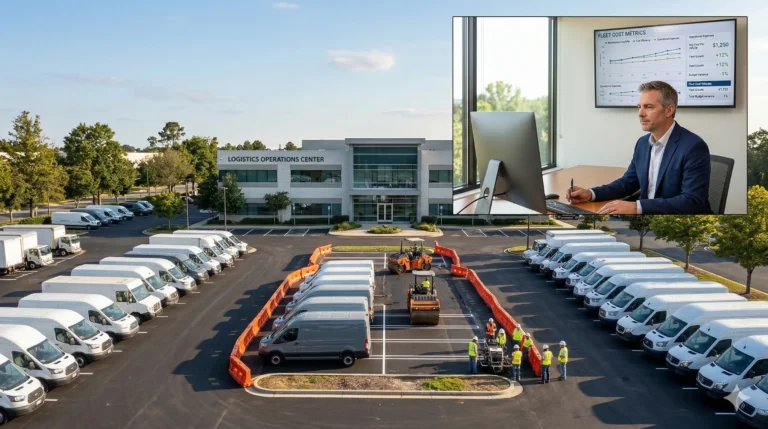
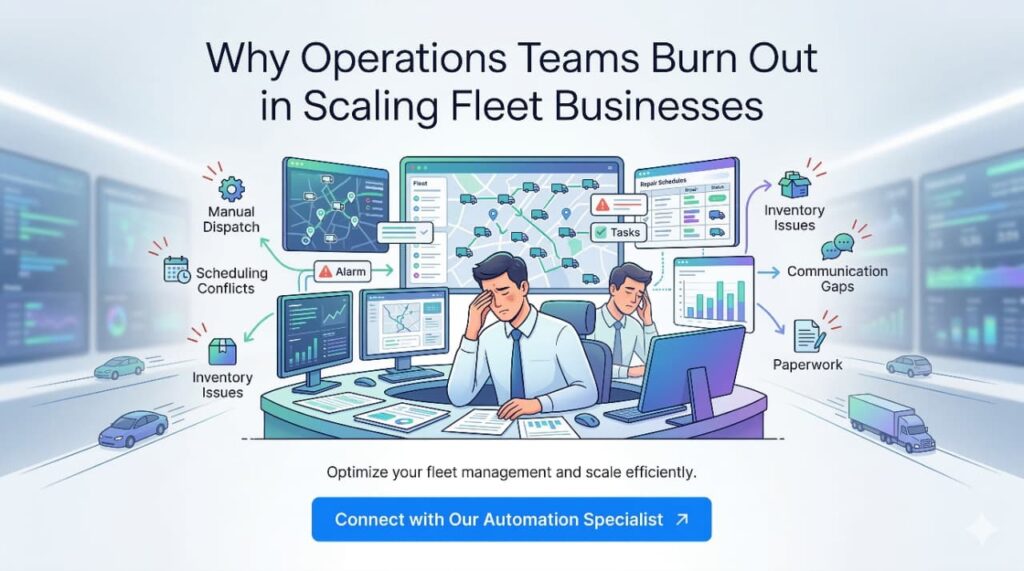
Operations teams burn out in scaling fleet businesses not because they lack commitment, but because operational complexity grows faster than system structure. As fleets expand, coordination layers multiply, rework cycles increase, and decision pressure intensifies. Burnout, therefore, is a structural phenomenon—rooted in process design, not individual shortcomings. Understanding these dynamics is crucial for fleet owners, COOs, operations directors, and HR leaders seeking to protect both their people and their margins.
Communication Density Overload
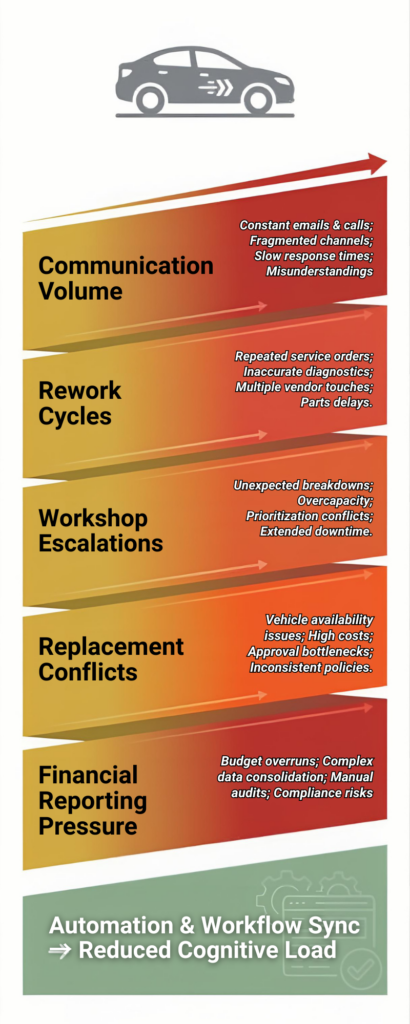
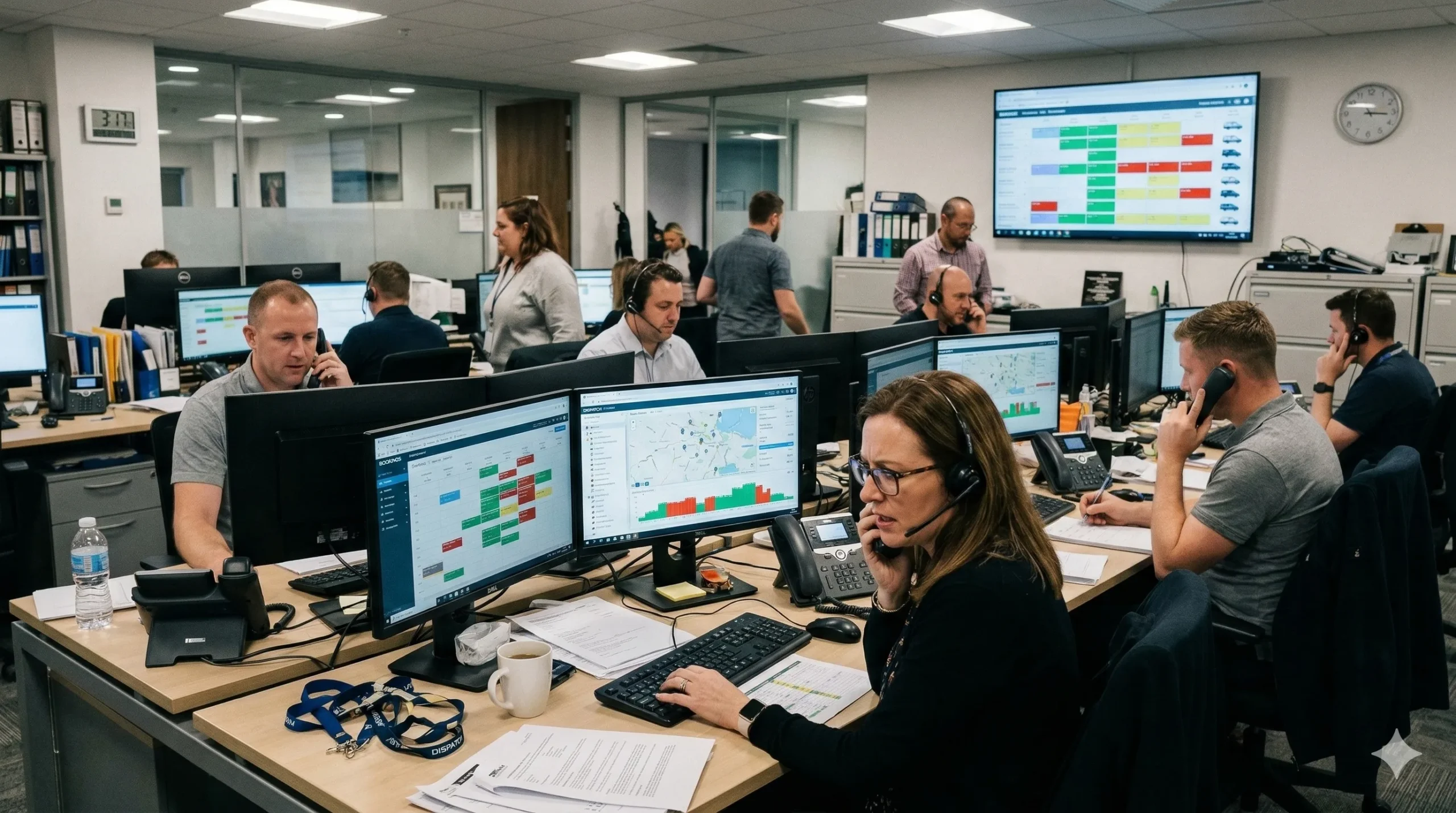
As fleet businesses scale, the volume of daily operational communications surges. Intake requests—from drivers, customers, vendors, and internal stakeholders—multiply rapidly. Each new asset or route adds exponential touchpoints for status checks, updates, and escalations. Consequently, escalation chains become increasingly convoluted, stretching response times and diluting accountability.
Moreover, operations teams must coordinate across multiple channels: phone calls, emails, instant messages, and legacy software. The lack of a unified communication hub means context gets lost, updates are missed, and important information falls through the cracks. Constant interruptions—often urgent—replace structured workflow with reactive firefighting. Notably, as interruptions increase, so does the risk of oversight and error. Communication, intended as a facilitator, becomes a primary source of operational drag.
Rework & Correction Cycles
Inefficiencies compound when communication breakdowns lead to rework. Double vehicle assignments, replacement conflicts, and last-minute dispatch reshuffling are routine symptoms of manual processes. Each error triggers a cascade of manual corrections—updating spreadsheets, sending clarifying messages, and reconciling conflicting records.
This rework consumes a significant amount of mental bandwidth, ultimately draining operational staff over time. Instead of focusing on value-adding activities, teams are trapped in cycles of correction. Moreover, as the fleet grows, the probability and frequency of these errors escalate. The result is a culture where operational excellence is sacrificed for mere survival—feeding the burnout loop.
Workshop & Recovery Pressure
When a vehicle goes out of service, the pressure on operations intensifies. Teams must chase workshop status, secure approvals for repairs, and escalate idle vehicle issues before they impact customer commitments. The lack of real-time visibility leads to status chasing—repeatedly contacting workshops, vendors, and drivers for updates.
Approval delays compound the stress, as operations personnel are held responsible for downtime they cannot directly control. Idle vehicle escalation becomes routine, and each unresolved issue has downstream effects—creating customer complaints that must be managed tactfully and urgently. Ultimately, unresolved upstream issues cascade into operations teams, amplifying their stress and eroding their sense of agency.
Decision Fatigue & Visibility Gaps
A less visible but equally corrosive driver of burnout is decision fatigue. Without real-time dashboards or unified data, operations teams must constantly make micro-decisions: which vehicle to allocate, which driver to assign, which replacement to prioritize. Incomplete or outdated data forces reliance on memory and gut instinct, increasing the risk of suboptimal choices.
Moreover, reactive management becomes the norm. Rather than proactively steering operations, teams are trapped in a cycle of troubleshooting and urgent problem-solving. Over time, this relentless micro-decision environment accelerates fatigue, impairs judgment, and undermines morale. Decision fatigue, therefore, is not just a psychological burden—it is a critical accelerator of operational burnout.
Structural Prevention Model
The antidote to burnout is not more effort, but more structure. A synchronized workflow, anchored by automation and real-time data, transforms operational experience:
- Automated Intake: Standardizes requests and eliminates manual triage.
- Real-Time Allocation: Dynamically matches resources based on live data, reducing manual scheduling.
- Workshop Tracking: Provides instant visibility into vehicle status, minimizing status chasing.
- Replacement Sync: Orchestrates replacements without conflicting assignments.
- Financial Dashboard: Offers immediate feedback on operational costs and asset utilization.
Each step reduces cognitive load, eliminates ambiguity, and restores a sense of control. Ultimately, well-architected systems protect both people and margins—enabling sustainable growth without sacrificing operational health.
Frequently Asked Questions
Operations teams burn out because rapid fleet growth multiplies coordination demands, rework cycles, and decision pressure. Without robust systems, complexity overwhelms people, leading to chronic stress and disengagement.
Manual coordination requires constant communication, redundant data entry, and frequent corrections. This creates a high-interruption environment, increasing stress and the likelihood of errors.
Hiring can temporarily reduce individual workload, but it does not address the root cause: unmanaged complexity and lack of system structure. Without process improvements, burnout risk persists even as teams grow.
Automation streamlines intake, allocation, tracking, and reporting. This reduces repetitive manual tasks, minimizes errors, and frees up staff to focus on more strategic activities—directly reducing burnout drivers.
Decision fatigue impairs judgment, slows response times, and increases the risk of mistakes. Over time, it erodes morale and leads to disengagement or turnover among operations staff.
Conclusion
Burnout is rarely about workload alone. It is about unmanaged complexity. Scaling fleets require system architecture—not heroic effort. Ultimately, structure protects both margins and people.
In summary, operational burnout is not inevitable. With intentional design, ongoing investment in technology, and a commitment to continuous improvement, scaling fleets can transform complexity into a competitive advantage.